The aviation industry is synonymous with safety, precision, and trust. Every time passengers board a plane, they entrust their lives to highly trained professionals in the cockpit. However, behind the scenes, some pilots are quietly battling a hidden crisis: addiction. Despite their reputation for discipline and control, a small but significant number of pilots struggle with substance abuse, risking their careers, health, and the safety of those on board.
The Pressure of High-Stakes Performance
Pilots operate in a high-stakes environment where the margin for error is virtually nonexistent. Long flights, disrupted sleep patterns, time zone changes, and long stretches away from loved ones take a toll on mental and physical health. Pilots are expected to remain calm, focused, and in control under all circumstances. Yet the pressure to perform perfectly can lead to chronic stress, anxiety, and emotional exhaustion.
In this context, some pilots turn to alcohol, prescription medications, or other substances as a way to cope. What may begin as occasional use to unwind or manage stress can gradually spiral into dependency, creating a dangerous cycle that is difficult to break.
The Reality of Substance Abuse in Aviation
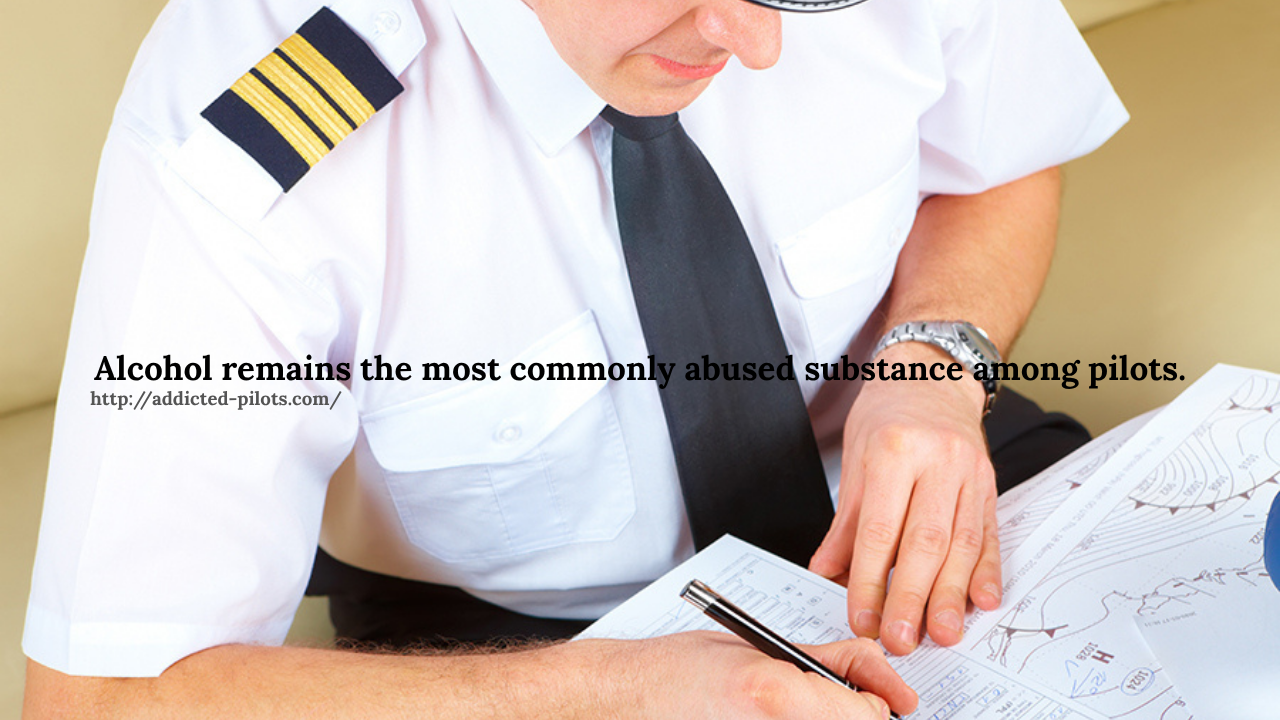
Alcohol remains the most commonly abused substance among pilots. Although aviation authorities like the Federal Aviation Administration (FAA) enforce strict regulations, including the “eight hours from bottle to throttle” rule, incidents of alcohol-related violations still occur. Some pilots attempt to mask their struggles, hoping to avoid detection during random testing or routine medical examinations.
Prescription medications are another area of concern. Pilots dealing with chronic pain, anxiety, or sleep disorders may be prescribed medications that, when misused, lead to addiction. Stimulants, sedatives, and opioids can all have serious side effects that impair a pilot’s ability to function safely.
The Risks to Safety and Careers
Substance abuse in aviation poses life-threatening risks. Impaired judgment, slower reaction times, and diminished cognitive abilities can lead to disastrous outcomes. Even when pilots are not actively under the influence during a flight, the lingering effects of substance use, such as hangovers or withdrawal symptoms, can compromise safety.
Additionally, pilots caught using prohibited substances face severe consequences, including loss of certification, legal penalties, and the end of their careers. Yet, the fear of these repercussions often prevents pilots from seeking the help they need.
A Path Toward Recovery
Fortunately, the aviation industry has programs in place to help pilots recover from addiction. The Human Intervention Motivation Study (HIMS) is a proven program that allows pilots to receive treatment and, in many cases, return to flying after recovery. HIMS combines medical care, psychological support, and ongoing monitoring to ensure that pilots are fit to resume their duties safely.
Breaking the Silence
To address the hidden addiction crisis among pilots, the industry must foster a culture of openness and support. Reducing the stigma surrounding mental health and addiction will encourage more pilots to seek help early. Through education, confidential support programs, and a commitment to recovery, the aviation community can help pilots navigate the risks of high altitudes—and return safely to the skies.