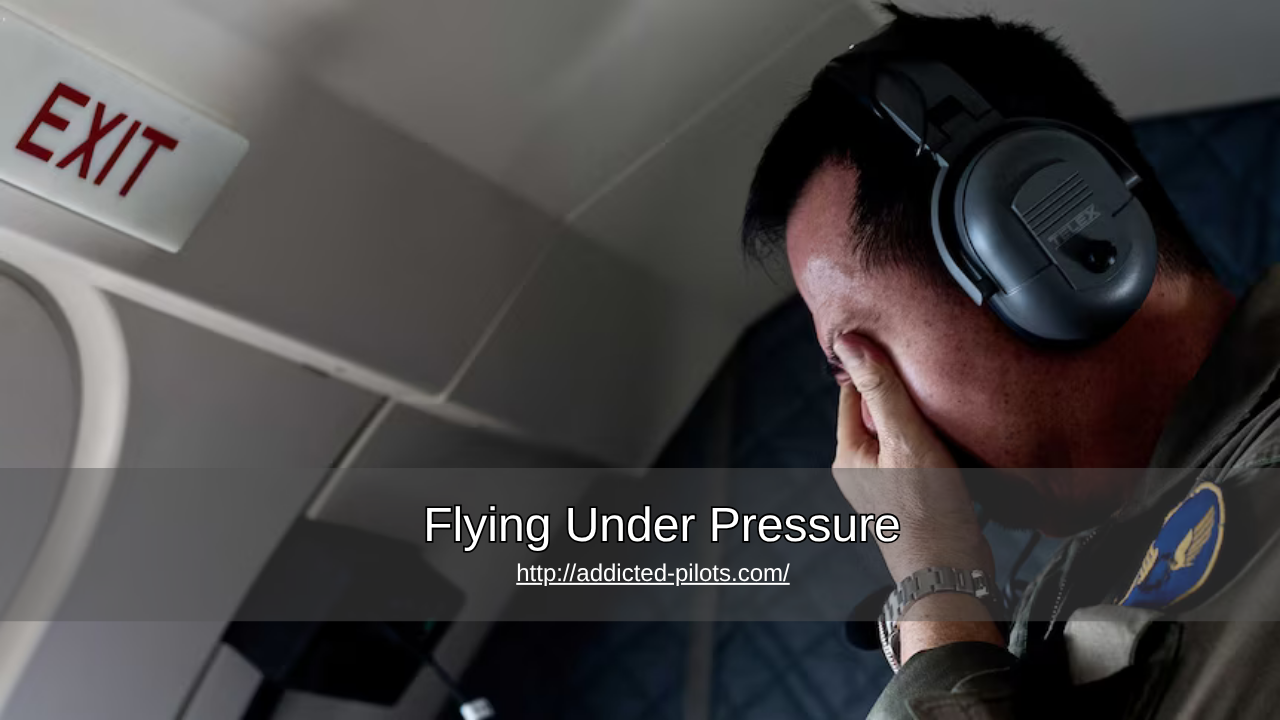
Flying Under Pressure: How Pilots Face Hidden Risks of Substance Abuse

The life of a pilot is demanding, high-pressure, and often misunderstood. While the public sees pilots as calm, in-control professionals guiding passengers safely through the skies, many face immense stress behind the scenes. Long hours, irregular schedules, and the weight of responsibility for lives can take a serious toll. For some pilots, these pressures can lead to the use of alcohol or drugs as a coping mechanism, creating hidden risks that affect both personal health and professional safety.

The Unique Stressors of the Aviation Industry

Pilots operate in a world where every decision has significant consequences. Factors contributing to stress in aviation include:

  • Long and irregular work hours that disrupt natural sleep cycles.
  • Time zone changes and jet lag that lead to chronic fatigue.
  • High stakes responsibility for passenger safety and operational performance.
  • Emotional strain from extended periods away from family and support systems.

Over time, these stressors can lead to burnout, anxiety, and depression. Many pilots feel unable to seek help due to the stigma surrounding mental health in the aviation industry, which can leave them vulnerable to unhealthy coping mechanisms.

How Stress Can Lead to Substance Use

Substance use among pilots often begins as a way to manage fatigue, stress, or anxiety. Alcohol may seem like a way to unwind after long shifts, while prescription medications such as sleep aids or stimulants may be used to maintain alertness or rest. Unfortunately, repeated use can lead to dependency, creating a cycle that is difficult to break without support.

Some common factors that contribute to substance use in aviation include:

  • Sleep deprivation: Pilots may rely on substances to improve rest or stay alert.
  • Isolation: Time away from loved ones can increase feelings of loneliness.
  • Performance pressure: The need to maintain perfection can lead to stress-induced coping mechanisms.
  • Undiagnosed mental health issues: Anxiety, depression, and burnout can go untreated, contributing to substance use.

The Dangers of Ignoring the Problem

Addiction in aviation carries risks that extend beyond personal health. Impaired judgment, delayed reaction times, and reduced focus can compromise flight safety. Additionally, addiction can damage relationships, erode career prospects, and lead to long-term health complications.

Addressing these risks early is critical. Proactive intervention not only protects pilots and passengers but also provides a pathway to healing and recovery.

Support and Recovery Options for Pilots

At [http://addicted-pilots.com/], we understand the unique challenges pilots face and offer comprehensive support tailored to their needs. Our services include:

  • Addiction recovery programs designed for aviation professionals.
  • Mental health treatment addressing co-occurring conditions such as anxiety, depression, and burnout.
  • Inpatient and outpatient care providing flexibility and confidentiality.
  • Holistic therapies including mindfulness, nutrition, and physical wellness to promote overall health.
  • Faith-based and individualized care plans that respect personal values and beliefs.

This client-centered approach ensures pilots receive the support they need to overcome addiction and develop healthier coping strategies for managing stress.

Taking the First Step Toward Recovery

Addiction does not define a pilot’s career or life. Seeking help is a courageous decision that opens the door to healing, resilience, and balance. Recovery empowers pilots to manage stress effectively, maintain professional performance, and protect personal well-being.

If you or someone you know in the aviation industry is struggling with substance use, contact [http://addicted-pilots.com/] today. Our compassionate team provides confidential support and personalized care to help aviation professionals navigate recovery and reclaim their lives.

Landing in Trouble: How Chronic Stress Pushes Pilots Toward Substance Abuse

The life of a pilot is often perceived as exciting, prestigious, and rewarding. However, behind the cockpit lies a world of intense responsibility, long hours, and constant pressure. Chronic stress is a common companion for aviation professionals, and when left unaddressed, it can push some pilots toward alcohol or drug use as a way to cope. Understanding the connection between stress and substance use is essential for prevention, intervention, and recovery.

The Pressures of the Pilot Profession

Pilots operate in a high-stakes environment where every decision impacts the safety of passengers and crew. The demands of the job include:

  • Irregular schedules and long flights that disrupt sleep patterns.
  • Time zone changes that exacerbate fatigue and jet lag.
  • Emotional stress from prolonged periods away from family and friends.
  • The constant expectation to perform flawlessly under pressure.

These stressors accumulate over time, leading to burnout, anxiety, and depression. For some pilots, substances may appear to offer a temporary escape or relief from the pressures they face daily.

How Stress Leads to Substance Use

Stress alone does not cause addiction, but it can be a significant contributing factor. Common ways stress influences substance use among pilots include:

  • Alcohol use: Drinking may seem like a way to unwind after a long flight or manage anxiety.
  • Prescription medications: Sleep aids, stimulants, or painkillers can become crutches when fatigue and physical discomfort persist.
  • Isolation and loneliness: Extended time away from loved ones may increase reliance on substances to fill emotional gaps.

Initially, these behaviors may seem manageable, but repeated use can quickly evolve into dependency, posing serious personal and professional risks.

The Dangers of Ignoring the Problem

Addiction in aviation has consequences that extend beyond individual health. Impaired judgment, slower reaction times, and decreased focus endanger the pilot, crew, and passengers. Additionally, addiction can harm relationships, derail careers, and lead to long-term health complications. Recognizing and addressing these risks is vital for both safety and recovery.

Comprehensive Support for Pilots

At [http://addicted-pilots.com/], we provide specialized programs for aviation professionals struggling with addiction. Our services include:

  • Confidential addiction recovery programs tailored to the unique needs of pilots.
  • Mental health treatment for stress, anxiety, depression, and burnout.
  • Inpatient and outpatient care to accommodate various recovery requirements.
  • Holistic approaches including mindfulness, nutrition, and fitness to strengthen overall resilience.
  • Faith-based and individualized plans to support personal values and recovery goals.

Our client-centered approach ensures that pilots receive compassionate care that addresses both addiction and the underlying stressors contributing to it.

Taking the First Step Toward Recovery

Addiction does not define a pilot’s career or life. Seeking help is a courageous and essential step toward reclaiming control and building a healthier future. Recovery empowers pilots to manage stress, restore balance, and maintain professional performance while protecting personal well-being.

If you or someone you know in the aviation industry is struggling with substance use, contact [http://addicted-pilots.com/] today. Our team is dedicated to helping aviation professionals navigate recovery with confidentiality, compassion, and personalized care. Your journey to healing and renewed strength begins now.

Cleared for Takeoff, but Not for Life: Addiction Risks in the Pilot Profession

Being a pilot is a demanding and high-responsibility profession. Each flight requires precision, focus, and the ability to make critical decisions under pressure. While the job is often admired for its prestige and skill, the realities of the pilot lifestyle can create hidden risks, including susceptibility to substance abuse. The pressures of the cockpit, combined with irregular schedules and emotional stress, make pilots particularly vulnerable to addiction.

The Pressures Facing Pilots

Pilots face unique stressors that can take a toll on their physical and mental health. Long hours, time zone changes, and frequent travel disrupt natural sleep patterns, leading to chronic fatigue. The constant responsibility of passenger safety adds another layer of emotional strain. Over time, these factors can contribute to burnout, anxiety, depression, and other mental health concerns.

Many pilots feel unable to seek help due to stigma or fear of career consequences. This silence allows stress and mental health struggles to accumulate, creating fertile ground for unhealthy coping mechanisms, including alcohol and drug use.

Understanding Addiction Risks in Aviation

Addiction among pilots can take many forms, from alcohol to prescription medications. Common contributing factors include:

  • Chronic fatigue and sleep disruption leading to reliance on stimulants or sedatives.
  • High levels of responsibility creating ongoing stress that may lead to alcohol use as a coping strategy.
  • Isolation from family and social support during extended trips.
  • Unaddressed mental health issues such as anxiety, depression, or trauma.

Even occasional substance use can escalate into dependency when underlying stressors are not addressed. Recognizing these risks is critical for prevention and early intervention.

The Dangers of Untreated Addiction

Substance abuse in aviation is not just a personal health concern. Impaired judgment, slower reaction times, and reduced focus can have serious consequences in the cockpit. Additionally, addiction can damage relationships, hinder career advancement, and create long-term health complications. Ignoring the problem does not make it disappear; it often worsens over time.

Pathways to Recovery

At [http://addicted-pilots.com/], we understand the unique pressures pilots face and offer specialized support for recovery. Our programs include:

  • Confidential addiction recovery services tailored to aviation professionals.
  • Mental health treatment addressing stress, anxiety, depression, and burnout.
  • Inpatient and outpatient care providing flexible, supportive options.
  • Holistic therapies including mindfulness, nutrition, and fitness to enhance overall well-being.
  • Faith-based and individualized approaches to support personal values and recovery goals.

Our client-centered approach helps pilots not only overcome addiction but also build sustainable coping strategies for the challenges of the profession.

Taking the First Step

Addiction does not have to define a pilot’s career or life. Seeking help is a courageous decision that opens the door to healing, renewed resilience, and a balanced life. If you or someone you know is struggling with substance use, reaching out today can make all the difference.

At [http://addicted-pilots.com/], we provide compassionate, confidential support tailored to the needs of aviation professionals. Begin your journey to recovery now and take control of your life both in and out of the cockpit.

When the Pressure Peaks: Understanding Drug and Alcohol Use in Aviation

The aviation industry is built on precision, discipline, and responsibility. Pilots and crew members are trusted with lives every time they step onto an aircraft, and the demand for flawless performance is constant. While this responsibility is essential for safety, it also creates intense pressure. For some, the combination of stress, fatigue, and isolation leads to an unhealthy reliance on drugs or alcohol. Understanding the reasons behind substance use in aviation is the first step toward addressing this issue with compassion and effective care.

The Unique Pressures of Aviation

Pilots and aviation professionals face challenges few outside the industry fully understand. Irregular work hours, overnight shifts, and international routes disrupt natural sleep patterns, leading to chronic fatigue. Add to this the emotional weight of being responsible for passengers’ lives and the strain of time away from family, and the risk of burnout becomes clear.

Unlike many professions, aviation leaves little room for error. Pilots are expected to perform at peak levels no matter the circumstances. This high-stakes environment can leave individuals feeling trapped, with little opportunity to acknowledge or address the toll it takes on their mental health.

Why Some Turn to Drugs and Alcohol

When pressure builds without relief, unhealthy coping strategies often emerge. Common reasons for substance use in aviation include:

  • Sleep struggles: Sedatives or stimulants may be used to regulate rest or alertness.
  • Stress relief: Alcohol can become a quick, though temporary, escape from daily pressures.
  • Untreated mental health concerns: Anxiety and depression often go unaddressed due to stigma.
  • Isolation: Extended time away from loved ones can lead to loneliness, fueling unhealthy habits.

What begins as occasional use can quickly turn into dependence, particularly in an industry where seeking help is often seen as risky to one’s career.

The Dangers of Ignoring Substance Use

Substance abuse among pilots and aviation professionals is not only a personal health issue but also a matter of public safety. Impaired focus, slower reaction times, and poor decision-making can endanger passengers, crew, and the pilot themselves. On a personal level, addiction erodes confidence, damages relationships, and harms long-term health.

Breaking the silence and addressing these struggles is vital. Pilots and aviation staff deserve access to support systems that prioritize both recovery and confidentiality.

Support and Recovery Options for Pilots

At http://addicted-pilots.com/, we provide specialized programs designed with the unique challenges of aviation in mind. Our services include:

  • Addiction recovery programs tailored to the needs of aviation professionals.
  • Mental health treatment to address the root causes of stress and dependency.
  • Inpatient and outpatient care options for flexibility and privacy.
  • Holistic therapies such as mindfulness, fitness, and nutrition to strengthen overall well-being.
  • Faith-based and individualized approaches to ensure treatment respects personal values and beliefs.

By combining evidence-based practices with compassionate care, we help pilots and aviation staff build healthier coping strategies and achieve lasting recovery.

Choosing Recovery Over Silence

Addiction does not have to be the end of a pilot’s career or well-being. With the right treatment, it is possible to find healing, restore balance, and regain strength. Seeking help is not a weakness but a courageous step toward a healthier future.

If you or someone you know in the aviation industry is struggling, reach out today. At http://addicted-pilots.com/, we are here to guide you through recovery with understanding, confidentiality, and compassion. The path to healing begins with one decision—choose to take that step now.