
Sky-High Stress: The Aviation Industry’s Quiet Addiction Problem

Pilots are often seen as calm, collected professionals who guide passengers safely through the skies. But behind the polished uniforms and steady voices, many aviation professionals face overwhelming stress that is rarely spoken about. Long hours, disrupted sleep patterns, and the enormous responsibility of hundreds of lives can take a toll. For some, the pressure becomes so great that they turn to alcohol or drugs as a way to cope. What begins as an occasional crutch can quickly escalate into dependency, creating an addiction crisis that often goes unnoticed within the aviation industry.

The Hidden Pressures of Aviation

The aviation industry demands precision and resilience. Pilots and crew members often work irregular schedules that disrupt natural sleep cycles. Time away from family can lead to feelings of isolation, while constant performance expectations add emotional strain. This combination of stressors increases vulnerability to substance use, especially when healthy coping mechanisms are not accessible.

The stigma surrounding addiction in aviation makes the problem even more challenging. Many pilots fear that seeking help will end their careers, so they remain silent, allowing dependency to worsen. Without proper support, the cycle of stress and substance use continues unchecked.

Why Substance Abuse Happens in the Skies

There is no single reason why addiction takes hold among pilots, but several common factors contribute:

  • Fatigue and sleep deprivation that lead to reliance on stimulants or sedatives.
  • Chronic stress and high responsibility that push individuals toward alcohol as a temporary escape.
  • Mental health struggles such as anxiety and depression that go untreated due to stigma.
  • Physical pain or medical issues that can create dependence on prescription medications.

Understanding these root causes is key to building pathways to recovery.

The Risks of Ignoring the Problem

Substance abuse in aviation is not only a personal struggle. It has direct consequences for safety, performance, and well-being. Impaired judgment, slowed reaction times, and poor decision-making can compromise flight operations. Beyond professional risks, addiction erodes physical health, damages relationships, and robs individuals of peace of mind.

Ignoring the issue does not make it disappear. Proactive treatment and compassionate care are essential for helping pilots and crew members break free from addiction and reclaim control over their lives.

A Holistic Path to Recovery for Pilots

At addicted-pilots.com we understand the unique challenges aviation professionals face. That is why our recovery programs are designed with pilots in mind. Our services include:

  • Addiction recovery treatment tailored to aviation careers.
  • Comprehensive mental health support for co-occurring conditions like anxiety and depression.
  • Inpatient and outpatient programs that provide flexibility and confidentiality.
  • Holistic therapies including mindfulness, fitness, and nutrition to strengthen overall well-being.
  • Faith-based and personalized care plans that honor individual values and needs.

Our compassionate, client-centered approach helps pilots and aviation staff not only overcome addiction but also rebuild resilience and restore balance.

Taking the First Step Toward Healing

If you or someone you know in the aviation industry is struggling with substance use, know that recovery is possible. Reaching out for help is not a career-ending decision. It is a life-saving choice that opens the door to healing, strength, and renewed purpose.

At addicted-pilots.com, we are here to walk with you on the journey from dependency to recovery. Your story does not end with addiction. With the right care and support, you can chart a new course toward health and freedom.

From the Flight Deck to Dependency: Why Some Pilots Turn to Drugs and Alcohol

Flying a commercial aircraft demands precision, discipline, and constant vigilance. Every decision matters, and every action carries the weight of passenger safety. While the world often sees pilots as calm professionals who thrive under pressure, many live with hidden challenges. Behind the confident voice in the cockpit, some pilots battle overwhelming stress, fatigue, and isolation. For too many, this pressure leads to unhealthy coping mechanisms, including drug and alcohol use.

The Hidden Pressures of a Pilot’s Life

Pilots face unique and intense stressors. Long and irregular work hours, frequent time zone changes, and extended periods away from family can take a toll on both mental and physical health. Chronic fatigue, disrupted sleep cycles, and feelings of isolation are common. On top of this, pilots carry the constant responsibility of ensuring the lives of hundreds of passengers with every flight.

For some, the combination of these pressures becomes overwhelming. Alcohol or prescription medications may start as a way to manage stress, calm anxiety, or simply get enough sleep. Over time, however, these coping tools can turn into dependence, creating a dangerous cycle that impacts both personal well-being and professional safety.

The Risks of Substance Abuse in Aviation

Substance abuse is not just a personal health concern for pilots. It has serious implications for flight safety. Impaired reaction times, clouded judgment, and reduced cognitive performance can all compromise the ability to operate an aircraft safely. Beyond safety concerns, addiction can result in loss of certification, career setbacks, strained relationships, and long-term health issues.

Fear of losing their job often prevents pilots from seeking help early. This can allow substance use to escalate until it reaches a crisis point. Addressing these issues proactively, with confidentiality and compassion, is critical to both recovery and preserving careers.

Understanding the Root Causes

While each pilot’s story is unique, common triggers for substance use include:

  • Chronic fatigue and irregular sleep patterns
  • High performance expectations and fear of failure
  • Emotional stress from time away from home
  • Anxiety and depression linked to job demands
  • Physical pain or medical conditions requiring medication

Identifying these root causes is essential to creating an effective recovery plan that addresses not just the addiction but also the underlying stressors.

Support and Recovery Tailored for Pilots

At addicted-pilots, we provide specialized addiction recovery services designed to meet the needs of aviation professionals. Our approach includes:

  • Comprehensive mental health treatment for co-occurring disorders
  • Inpatient and outpatient care that accommodates flight schedules and career requirements
  • Holistic therapies such as mindfulness, nutrition, and fitness to promote overall wellness
  • Faith-based and individualized care plans that honor each pilot’s values and personal journey

We understand that recovery for pilots involves more than sobriety. It means restoring confidence, rebuilding trust, and finding balance both in and out of the cockpit.

Taking the First Step

If you are a pilot struggling with substance use, know that you are not alone. The pressures you face are real, but so is the possibility of recovery. Seeking help is not a sign of weakness. It is a courageous step toward protecting your health, your career, and the safety of those who depend on you.

Contact addicted-pilots today to learn how we can help you navigate your way back to wellness. Your journey does not end here. With the right support, you can take off toward a healthier, more balanced life.

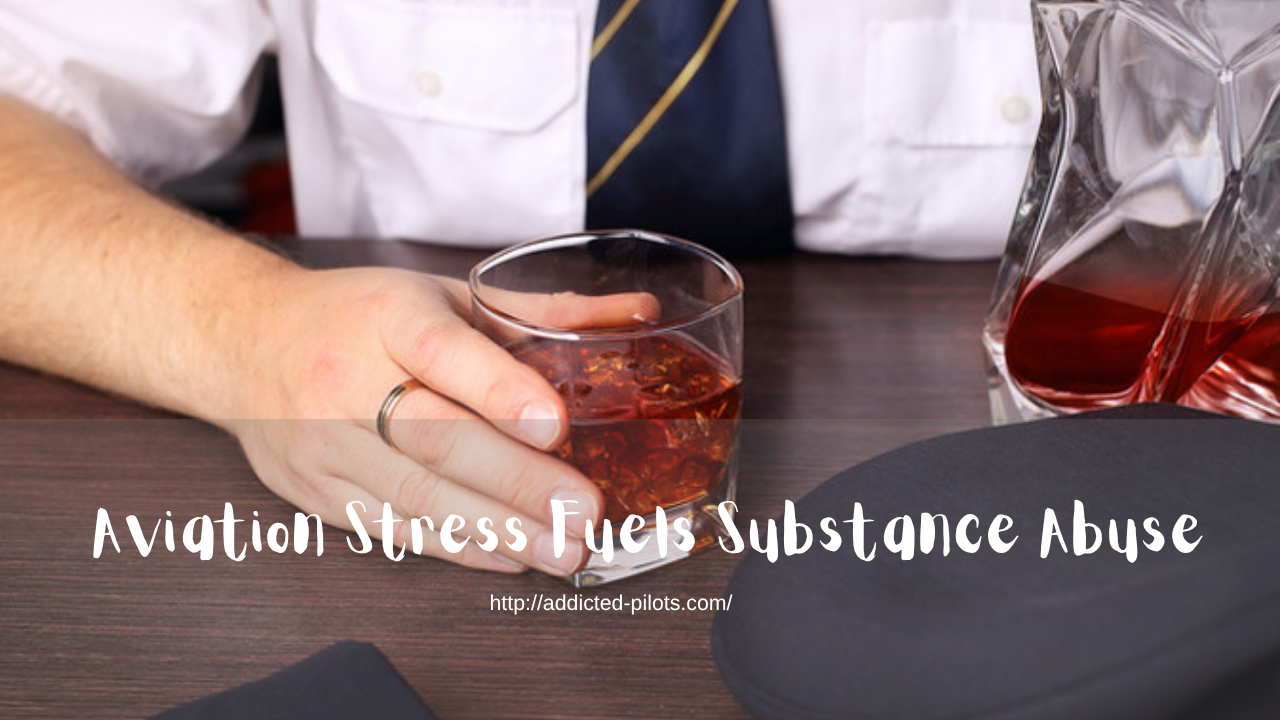
Under Pressure: How Aviation Stress Fuels Substance Abuse

Aviation is a career built on discipline, precision, and focus. Pilots are trained to stay calm under extreme conditions, make life-altering decisions in seconds, and carry the immense responsibility of passenger safety. But behind the scenes, many pilots silently carry a different kind of burden. The chronic stress of aviation can lead even the most seasoned professionals down a dangerous path of substance use and addiction. This issue is real, and it is more common than many realize.

The Silent Strain of Flying

Pilots endure intense schedules, long hours, erratic sleep patterns, and extended time away from home. Jet lag, fatigue, and isolation are routine. Add to this the psychological weight of knowing that even a single mistake could have catastrophic consequences, and it becomes clear why some pilots turn to drugs or alcohol as a means of coping.

Alcohol, prescription medications, and stimulants often become a temporary escape. For some, the descent into substance use begins with a drink to ease anxiety after a flight. For others, it may involve sleep aids or painkillers prescribed for chronic issues. Over time, these coping tools can evolve into dependency, threatening both professional and personal well-being.

The High Cost of High Stress

Substance abuse in the aviation world doesn’t just endanger the pilot’s health. It puts entire flight crews and passengers at risk. Impaired judgment, slowed reaction times, and poor decision-making compromise safety in the skies.

Professionally, addiction can lead to revoked licenses, job loss, legal consequences, and irreparable damage to a pilot’s career. But beyond that, it can fracture families, isolate individuals from support networks, and deteriorate mental health.

Fear of punishment or career destruction often prevents pilots from seeking help. Many continue to suffer in silence, believing that asking for support is a sign of weakness. In reality, recognizing the need for treatment is the first courageous step toward recovery.

Treatment Tailored to Pilots

At addicted-pilots, we understand the unique pressures pilots face. Our programs are designed to provide addiction recovery services that respect your career, your dignity, and your life. We offer:

  • Comprehensive mental health treatment focused on anxiety, depression, PTSD, and co-occurring disorders
  • Inpatient and outpatient care tailored to your schedule and professional needs
  • Holistic therapies including nutrition, mindfulness, fitness, and trauma-informed practices
  • Faith-based and individualized approaches that empower your personal journey to healing

Whether you’re struggling with alcohol, prescription medication, or other substances, our compassionate team is here to help you reclaim control and rebuild with strength and confidence.

Moving Toward Recovery

You are not alone, and your story does not end here. The weight of aviation stress is real, but so is the possibility of healing. Addiction is not a moral failing. It is a condition that requires understanding, support, and a personalized path forward.

Recovery is possible. With the right treatment, many pilots not only return to the skies but also find greater peace, balance, and resilience than ever before.

Reach Out Today

If you’re a pilot under pressure and feeling the toll of substance use, don’t wait. Reach out to addicted-pilots and take the first step toward recovery. You deserve support that understands your journey, respects your profession, and empowers your healing. Let us help you chart a new course.