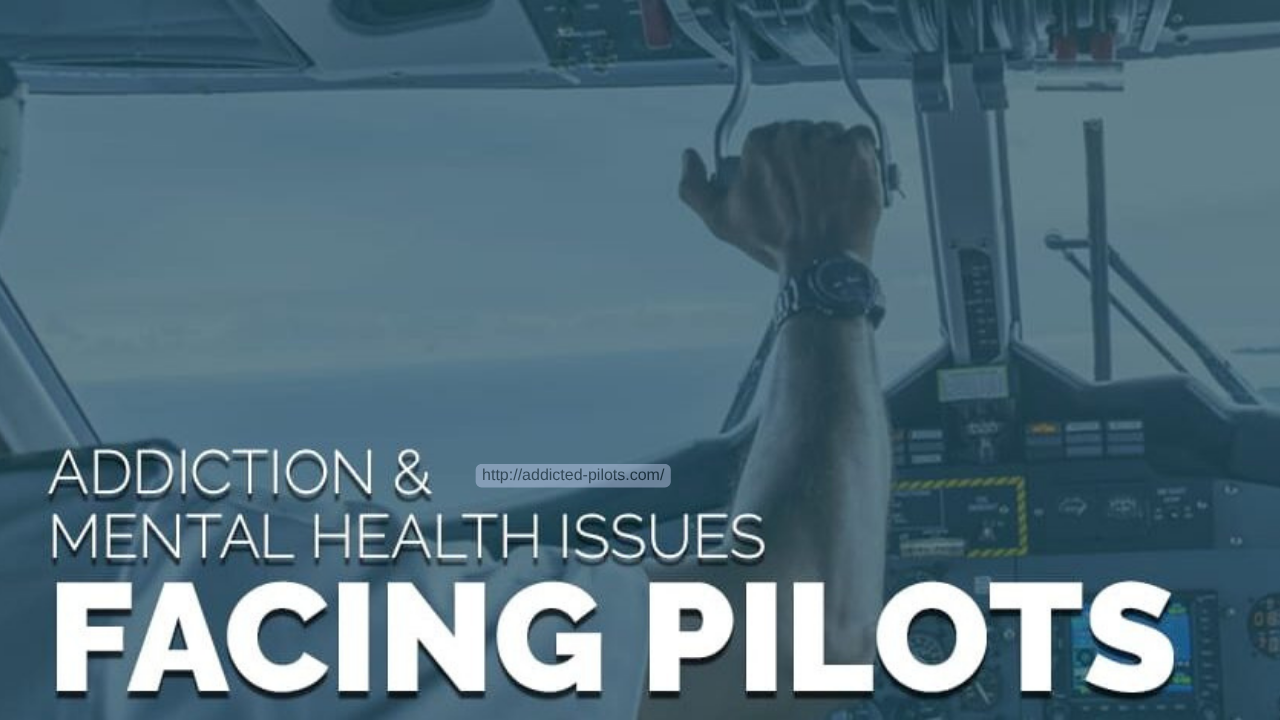
Being a pilot is a demanding and high-responsibility profession. Each flight requires precision, focus, and the ability to make critical decisions under pressure. While the job is often admired for its prestige and skill, the realities of the pilot lifestyle can create hidden risks, including susceptibility to substance abuse. The pressures of the cockpit, combined with irregular schedules and emotional stress, make pilots particularly vulnerable to addiction.
The Pressures Facing Pilots
Pilots face unique stressors that can take a toll on their physical and mental health. Long hours, time zone changes, and frequent travel disrupt natural sleep patterns, leading to chronic fatigue. The constant responsibility of passenger safety adds another layer of emotional strain. Over time, these factors can contribute to burnout, anxiety, depression, and other mental health concerns.
Many pilots feel unable to seek help due to stigma or fear of career consequences. This silence allows stress and mental health struggles to accumulate, creating fertile ground for unhealthy coping mechanisms, including alcohol and drug use.
Understanding Addiction Risks in Aviation
Addiction among pilots can take many forms, from alcohol to prescription medications. Common contributing factors include:
- Chronic fatigue and sleep disruption leading to reliance on stimulants or sedatives.
- High levels of responsibility creating ongoing stress that may lead to alcohol use as a coping strategy.
- Isolation from family and social support during extended trips.
- Unaddressed mental health issues such as anxiety, depression, or trauma.
Even occasional substance use can escalate into dependency when underlying stressors are not addressed. Recognizing these risks is critical for prevention and early intervention.
The Dangers of Untreated Addiction
Substance abuse in aviation is not just a personal health concern. Impaired judgment, slower reaction times, and reduced focus can have serious consequences in the cockpit. Additionally, addiction can damage relationships, hinder career advancement, and create long-term health complications. Ignoring the problem does not make it disappear; it often worsens over time.
Pathways to Recovery
At [http://addicted-pilots.com/], we understand the unique pressures pilots face and offer specialized support for recovery. Our programs include:
- Confidential addiction recovery services tailored to aviation professionals.
- Mental health treatment addressing stress, anxiety, depression, and burnout.
- Inpatient and outpatient care providing flexible, supportive options.
- Holistic therapies including mindfulness, nutrition, and fitness to enhance overall well-being.
- Faith-based and individualized approaches to support personal values and recovery goals.
Our client-centered approach helps pilots not only overcome addiction but also build sustainable coping strategies for the challenges of the profession.
Taking the First Step
Addiction does not have to define a pilot’s career or life. Seeking help is a courageous decision that opens the door to healing, renewed resilience, and a balanced life. If you or someone you know is struggling with substance use, reaching out today can make all the difference.
At [http://addicted-pilots.com/], we provide compassionate, confidential support tailored to the needs of aviation professionals. Begin your journey to recovery now and take control of your life both in and out of the cockpit.