Aviation professionals are often seen as symbols of precision, discipline, and responsibility. Pilots, in particular, carry enormous trust on their shoulders every time they step into the cockpit. Yet, behind the polished uniforms and confident demeanor, some pilots silently struggle with substance abuse and addiction. The good news is that help is available, and recovery is possible—with the right support and approach.
Understanding the Challenge
Pilots work in one of the most demanding professions. Long hours, irregular sleep patterns, time zone changes, and the pressure of ensuring passenger safety can contribute to high levels of stress and fatigue. In such conditions, some may turn to alcohol, prescription medications, or other substances as a means of coping. What starts as occasional use can develop into dependency, putting careers, lives, and personal well-being at risk.
Fear of stigma, job loss, or being grounded often prevents pilots from seeking the help they need. This secrecy can worsen the problem, as untreated addiction can lead to serious safety risks and personal consequences.
Pathways to Recovery
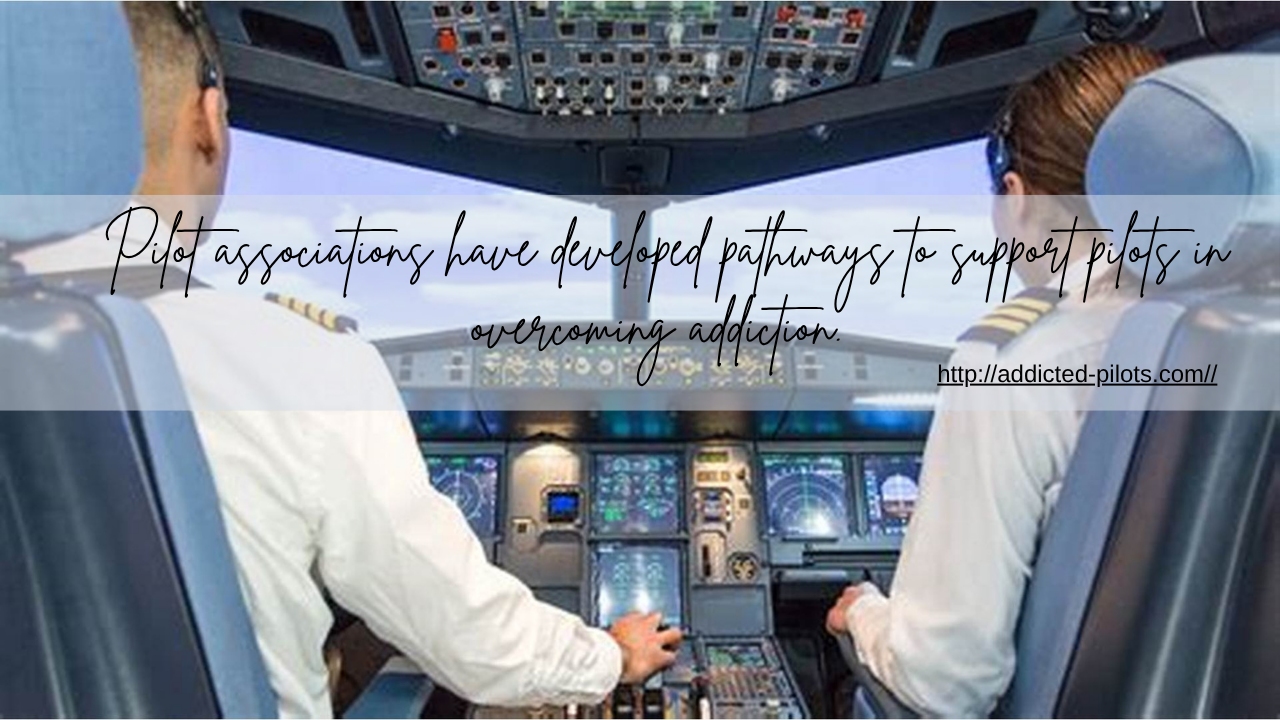
Thankfully, the aviation industry, medical professionals, and pilot associations have developed pathways to support pilots in overcoming addiction. One of the most effective programs is the Human Intervention Motivation Study (HIMS). HIMS provides pilots with access to confidential treatment, ongoing monitoring, and a structured return-to-duty process once recovery milestones are met.
Pilots enrolled in HIMS typically undergo a combination of medical evaluations, counseling, peer support, and substance testing. The program emphasizes accountability while offering a compassionate path toward regaining medical certification and resuming flying duties.
The Role of Support Systems
Recovery from addiction is not a solo journey. Family members, colleagues, aviation medical examiners, and peer mentors all play crucial roles. Many airlines and unions have peer assistance programs that connect pilots with others who have successfully navigated the path to recovery. This peer connection can provide encouragement, practical advice, and hope.
Counseling and mental health services also form a key part of recovery. Addressing underlying issues such as anxiety, depression, or trauma helps pilots build healthier coping strategies and reduces the risk of relapse.
A Culture of Openness
Creating an aviation culture that supports mental health and recovery is vital. When pilots feel safe to speak up about their struggles without immediate fear of punishment, they are more likely to seek help early. Confidential resources, educational initiatives, and leadership that models empathy and understanding can foster such a culture.
Conclusion
Addiction does not have to mean the end of a pilot’s career. With early intervention, effective programs like HIMS, and strong support networks, pilots can overcome substance abuse and return to the skies stronger and healthier. The key is breaking the silence, reducing stigma, and offering clear pathways to recovery—ensuring that high flyers get the help they need to soar again.