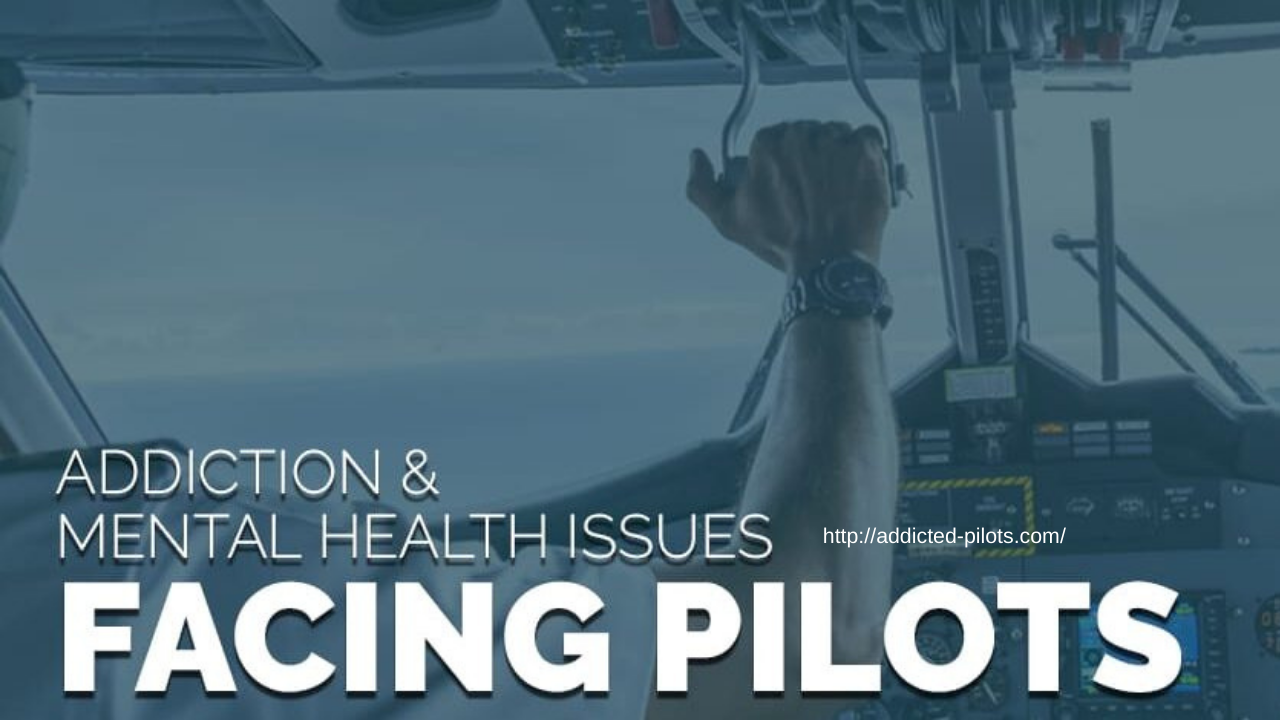
The life of a pilot is often associated with prestige, precision, and adventure. From the outside, it may look glamorous, but behind the controls, many aviation professionals face an invisible struggle. Addiction and substance use among pilots remain a rarely discussed issue, yet the reality is that the high stress, irregular schedules, and emotional toll of the job can create conditions where drugs or alcohol become a coping mechanism. Understanding these unseen struggles is vital to ensuring both personal well-being and flight safety.
The Hidden Pressures of Piloting
Pilots carry extraordinary responsibility. Each flight demands sharp focus, decision-making under pressure, and unwavering commitment to safety. On top of this, long hours, disrupted sleep cycles, and time away from loved ones contribute to chronic fatigue and emotional strain. The culture of perfection within aviation often discourages vulnerability, making it difficult for pilots to seek help when stress feels overwhelming.
Instead, many internalize their struggles. Alcohol or prescription drugs can begin to feel like a quick fix for stress, loneliness, or sleep issues. Over time, these habits can turn into dependency, leaving pilots battling addiction in silence.
Why Addiction Takes Hold
Several factors increase the risk of substance abuse among pilots:
- Sleep disruption: Irregular flight schedules interfere with natural rest, leading some to use sedatives or stimulants.
- Isolation: Long periods away from home and family can intensify feelings of loneliness.
- Mental health challenges: Anxiety, depression, and burnout often go untreated due to fear of career repercussions.
- High expectations: The pressure to always perform at peak levels can push pilots toward unhealthy coping mechanisms.
The combination of professional stress and personal sacrifice creates fertile ground for addiction to develop.
The Risks of Ignoring the Problem
Addiction is not just a personal health concern for pilots. It has direct implications for aviation safety. Impaired focus, delayed reaction times, and poor decision-making put both crew and passengers at risk. On a personal level, substance abuse erodes relationships, undermines confidence, and threatens long-term health.
Recognizing these dangers underscores the importance of breaking the silence around addiction in aviation and encouraging pilots to access proper care.
Pathways to Recovery for Pilots
At [http://addicted-pilots.com/], we specialize in helping aviation professionals confront and overcome addiction with compassion and confidentiality. Our programs are tailored to the unique needs of pilots and include:
- Confidential addiction recovery services that respect privacy and career concerns.
- Mental health treatment to address co-occurring conditions like stress, anxiety, and depression.
- Inpatient and outpatient care options that provide flexibility for different recovery needs.
- Holistic therapies such as mindfulness, fitness, and nutrition to restore balance and resilience.
- Faith-based and individualized approaches to ensure care aligns with personal beliefs and values.
This client-centered approach allows pilots to heal in a supportive environment where their challenges are fully understood.
Moving Forward With Hope
Addiction may be part of a pilot’s story, but it does not have to define their future. With the right treatment, it is possible to recover, rebuild, and return to life with strength and clarity. Reaching out for help is not a sign of weakness, but an act of courage that opens the door to healing.
If you or someone you know is struggling, do not wait. At [http://addicted-pilots.com/], we are here to help aviation professionals find freedom from addiction and rediscover balance. Take the first step today and begin your journey toward recovery.