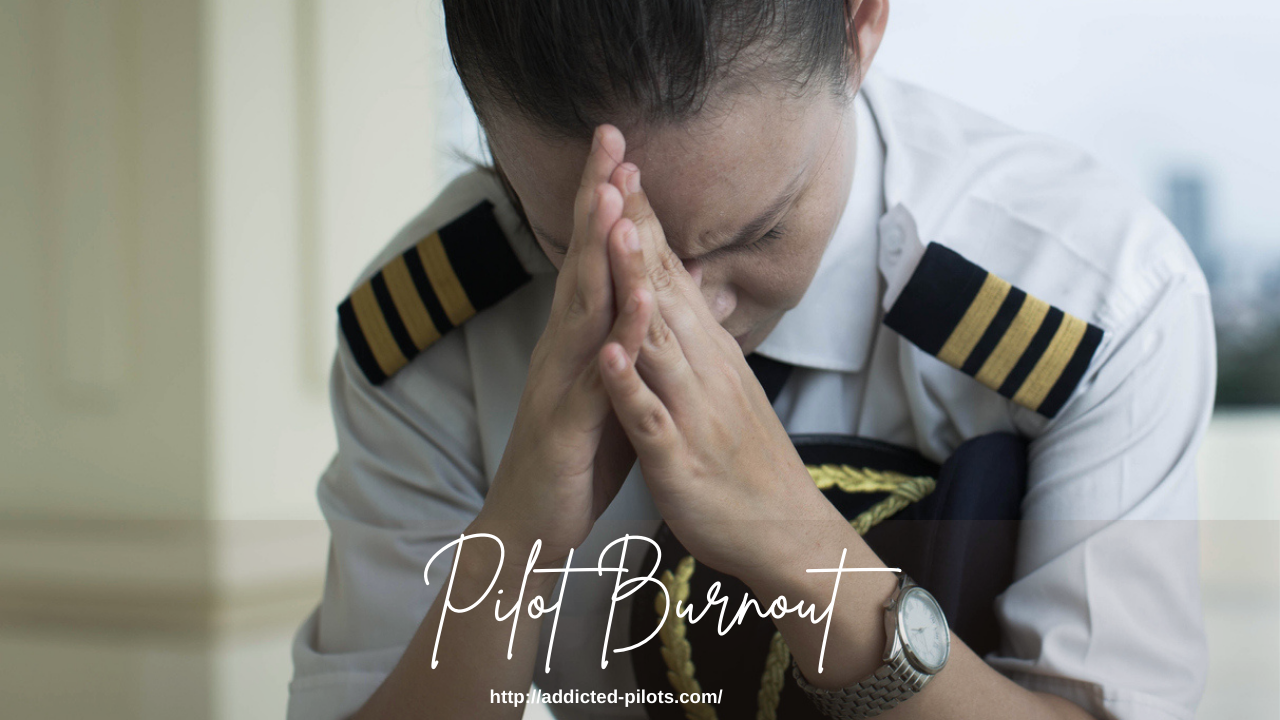
The aviation industry demands precision, discipline, and mental endurance. Pilots carry immense responsibility each time they step into the cockpit, often navigating long hours, jet lag, and high-stress environments. While the profession is admired for its skill and prestige, there is a hidden side that too often goes unspoken. Burnout among pilots has become a serious concern, and in some cases, this exhaustion drives individuals toward alcohol or drug use as a means of coping.
Understanding Pilot Burnout
Burnout is more than simple fatigue. It is a state of physical, emotional, and mental exhaustion caused by chronic stress. For pilots, this stress can come from irregular schedules, long-haul flights, and the weight of responsibility for passenger safety. Add to this the strain of time away from family and the ongoing demand for alertness, and it is no surprise that pilots are at high risk for burnout.
When burnout is not addressed, it can manifest as irritability, difficulty concentrating, disrupted sleep, and feelings of detachment. Many pilots hesitate to seek help due to fear of stigma or career consequences, leaving them vulnerable to unhealthy coping mechanisms.
The Connection Between Burnout and Substance Use
Substance use often emerges as a quick fix for the overwhelming effects of burnout. Alcohol may seem like a way to unwind after long shifts, while prescription medications might be used to manage sleep or anxiety. Unfortunately, these temporary solutions can create dependency. What begins as an occasional habit to cope with exhaustion can grow into addiction.
Key reasons pilots may turn to substances include:
- Chronic fatigue: Stimulants or alcohol are sometimes used to regulate energy and rest.
- Unmanaged stress: Substances may provide short-term relief but worsen long-term well-being.
- Isolation: Long periods away from loved ones can amplify loneliness and fuel unhealthy habits.
- Stigma around mental health: Fear of professional repercussions often keeps pilots from accessing proper support.
The Risks of Ignoring the Problem
Substance abuse among pilots is not just a personal health matter. It has direct implications for safety in the skies. Impaired judgment, slower reaction times, and reduced mental clarity can endanger both crew and passengers. Beyond the professional risks, untreated addiction damages relationships, undermines health, and diminishes quality of life.
Addressing burnout and substance use together is vital for pilots to reclaim their balance and protect their futures.
Comprehensive Recovery for Pilots
At http://addicted-pilots.com/, we recognize the unique pressures pilots face. Our programs are designed with aviation professionals in mind, offering:
- Confidential addiction recovery services tailored to individual needs.
- Mental health treatment to address stress, anxiety, depression, and burnout.
- Inpatient and outpatient care options for flexibility and privacy.
- Holistic healing methods including mindfulness, fitness, and nutrition to restore balance.
- Faith-based and individualized approaches to support recovery in alignment with personal values.
By combining clinical expertise with compassionate care, we help pilots replace unhealthy coping strategies with healthier, more sustainable ones.
Taking the First Step Toward Healing
Burnout and addiction do not need to define a pilot’s career or life. With the right support, it is possible to heal, recover, and regain control. Seeking help is a sign of strength, not weakness, and it opens the door to renewed resilience and well-being.
If you or someone you know in the aviation industry is struggling, reach out today. At http://addicted-pilots.com/, we are committed to guiding pilots through recovery with care, confidentiality, and compassion. Your path to healing and balance begins with a single step—let us help you take it.