Grounded by Addiction: How Substance Use Affects Pilots’ Lives and Careers

Flying is a profession built on precision, responsibility, and trust. Pilots are entrusted with the lives of hundreds of passengers every day, yet the pressures of the job can take a toll on mental and physical health. For some pilots, substance use becomes a way to cope with stress, fatigue, or emotional strain. Unfortunately, this can lead to addiction, with consequences that affect not only personal health but also professional performance and career longevity.

At Addicted-Pilots.com, we provide specialized addiction recovery and mental health services tailored to the unique challenges faced by aviation professionals. Our compassionate, individualized approach ensures pilots can navigate recovery while preserving their well-being and future career opportunities.


The Unique Pressures of Aviation

Pilots face a range of stressors that can contribute to substance use:

  • Long and irregular hours that disrupt sleep patterns and increase fatigue.
  • High responsibility for passenger safety and operational precision.
  • Frequent travel and time away from family leading to isolation and emotional strain.
  • High-performance expectations that may discourage seeking help for stress or mental health concerns.

These pressures can accumulate over time, leading some pilots to turn to alcohol or drugs as a temporary escape, which can evolve into dependence or addiction.


How Addiction Impacts Pilots

Substance use can have far-reaching effects on both personal life and career:

Personal Health and Well-Being

  • Increased risk of physical health issues, including liver disease, cardiovascular problems, and impaired cognitive function.
  • Emotional and mental health challenges such as anxiety, depression, and burnout.
  • Strained personal relationships due to secrecy, mood swings, or unreliability.

Professional Performance

  • Impaired judgment and slower reaction times, which can compromise safety.
  • Decreased focus and consistency in decision-making.
  • Risk of career setbacks or loss of certification if substance use is discovered.

Recognizing the early signs of substance use and seeking support is critical for mitigating these risks.


Signs and Indicators of Pilot Addiction

Addiction may not always be visible, but there are behavioral, physical, and performance-related indicators to watch for:

Behavioral Signs

  • Withdrawal from colleagues or social activities.
  • Sudden mood changes or irritability.
  • Frequent absences or inconsistent attendance.

Physical Signs

  • Persistent fatigue or bloodshot eyes.
  • Tremors, changes in appearance, or neglect of personal hygiene.
  • Fluctuations in weight or other health markers.

Performance Signs

  • Difficulty concentrating or making decisions.
  • Errors in judgment or lapses in standard procedures.
  • Inconsistent professional performance or missed deadlines.

Recovery and Support

At Addicted-Pilots.com, we offer programs designed to help pilots overcome addiction and regain control of their lives. Our services include:

  • Addiction recovery programs tailored specifically for aviation professionals.
  • Mental health treatment for stress, anxiety, depression, and burnout.
  • Inpatient and outpatient care providing flexibility and privacy.
  • Holistic therapies such as mindfulness, nutrition, and physical wellness to support overall health.
  • Faith-based and individualized care plans aligned with personal values and recovery goals.

These comprehensive programs address both the physical and emotional aspects of addiction, helping pilots build resilience and sustainable coping strategies.


Taking the First Step Toward Recovery

Addiction does not define a pilot’s life or career. Seeking help is a courageous step toward regaining balance, health, and professional confidence. Early intervention can prevent further health complications, protect career prospects, and restore well-being.

If you or someone you know in the aviation industry is struggling with substance use, contact Addicted-Pilots.com today. Our compassionate, confidential, and expert team is ready to guide pilots toward recovery and a safer, healthier future.

The Hidden Flight Path: Mental Health and Addiction Challenges for Pilots

The aviation industry is often celebrated for its precision, discipline, and prestige. Pilots are viewed as highly skilled professionals capable of navigating complex aircraft systems and making split-second decisions under pressure. However, beneath the polished exterior lies a hidden reality: pilots face unique mental health and addiction challenges that are often overlooked. Stress, isolation, and the demands of the job can push some pilots toward alcohol or drug use, creating silent struggles that can affect both personal health and professional performance.

At Addicted-Pilots.com, we specialize in supporting aviation professionals with tailored addiction recovery and mental health services. Our holistic, client-centered approach addresses both the symptoms and the root causes of substance use, providing pilots with a path toward healing and sustainable recovery.


Understanding the Pressures Pilots Face

Pilots work in an environment where mistakes can have serious consequences. The combination of high responsibility, irregular schedules, and extended time away from family can lead to significant stress. Common stressors include:

  • Long and irregular hours that disrupt natural sleep patterns and contribute to fatigue.
  • Time zone changes and jet lag which affect mental clarity and physical health.
  • Isolation from support systems that can lead to loneliness and emotional strain.
  • The constant need for flawless performance which may discourage seeking help or admitting vulnerabilities.

These pressures can accumulate over time, leading to burnout, anxiety, depression, and, in some cases, reliance on substances as a way to cope.


The Link Between Mental Health and Substance Use

Stress and mental health challenges do not automatically lead to addiction, but they can increase vulnerability. Pilots may turn to alcohol, prescription medications, or other substances for various reasons:

Coping Mechanisms

Substances may be used to relieve anxiety, improve sleep, or temporarily escape from emotional pressure.

Self-Medication

Mental health issues such as depression, anxiety, or PTSD may go untreated due to stigma, leading some pilots to self-medicate with drugs or alcohol.

Fatigue Management

Pilots may use stimulants to stay alert during long flights or sedatives to rest during off-hours, which can evolve into dependency.

Recognizing these connections is crucial for early intervention and effective treatment.


Signs and Indicators of Pilot Addiction

Addiction in pilots can be subtle and difficult to detect. Some behavioral, physical, and performance-related indicators include:

Behavioral Signs

  • Withdrawal from colleagues or social situations.
  • Mood swings or irritability.
  • Frequent absences or changes in routine.

Physical Signs

  • Persistent fatigue or changes in appearance.
  • Bloodshot eyes, tremors, or other physical symptoms.
  • Fluctuations in weight or overall health.

Performance Signs

  • Decline in decision-making or focus.
  • Errors in procedures or judgment.
  • Inconsistent operational performance.

Recovery and Support for Aviation Professionals

At Addicted-Pilots.com, we provide comprehensive programs tailored to the needs of pilots struggling with addiction and mental health issues. Our services include:

  • Addiction recovery programs designed specifically for aviation professionals.
  • Mental health treatment for stress, anxiety, depression, and burnout.
  • Inpatient and outpatient care offering flexibility and confidentiality.
  • Holistic therapies including mindfulness, fitness, and nutrition to strengthen overall resilience.
  • Faith-based and individualized care plans respecting personal values and recovery goals.

Our approach focuses on healing both the mind and body while providing the tools pilots need to navigate professional and personal challenges successfully.


Taking the First Step Toward Recovery

Addiction and mental health challenges do not define a pilot’s career or life. Seeking help is an act of courage that paves the way for a healthier, more balanced future. Recovery empowers pilots to manage stress effectively, reconnect with loved ones, and rebuild confidence in their professional abilities.

If you or someone you know in the aviation industry is struggling with substance use or mental health challenges, contact Addicted-Pilots.com today. Our compassionate, confidential, and expert team is ready to guide you toward recovery and a safer, healthier, and more fulfilling life.

From Takeoff to Turbulence: The Silent Struggle with Pilot Addiction

The life of a pilot is often admired for its prestige, travel opportunities, and technical mastery. Yet beneath the polished professionalism lies a hidden reality: pilots are not immune to addiction. The pressures of the cockpit, irregular schedules, high responsibility, and emotional strain can lead some aviation professionals to turn to alcohol or drugs as a coping mechanism. These challenges are often silent, hidden behind the confident exterior that passengers and colleagues see.

At Addicted-Pilots.com, we understand the unique struggles faced by pilots and offer specialized support for addiction recovery, mental health treatment, and holistic well-being. Our programs are designed to meet the individual needs of aviation professionals seeking a path to recovery.


The Hidden Pressures of the Cockpit

Pilots operate in an environment that demands precision, focus, and composure. The factors that contribute to stress include:

  • Irregular hours and overnight flights leading to disrupted sleep and fatigue.
  • Responsibility for passenger safety which creates constant pressure to perform flawlessly.
  • Frequent time away from home contributing to isolation from family and social support.
  • High expectations from airlines and peers which may discourage seeking help.

Over time, these pressures can accumulate, leading to burnout, anxiety, and depression. Many pilots, feeling unable to express vulnerability, may turn to substances as a temporary escape or coping strategy.


Recognizing the Signs of Pilot Addiction

Addiction can be difficult to detect, especially in highly skilled professionals. Some signs may include:

Behavioral Indicators

  • Withdrawal from colleagues or social events.
  • Mood swings or increased irritability.
  • Frequent absences or inconsistent attendance.

Physical Indicators

  • Persistent fatigue, tremors, or bloodshot eyes.
  • Changes in appearance or personal hygiene.
  • Weight fluctuations or other health changes.

Performance-Related Indicators

  • Decline in decision-making ability or focus.
  • Increased errors or near misses in operational duties.
  • Difficulty adhering to protocols or standard procedures.

Identifying these signs early can help pilots access support before addiction causes irreversible consequences.


Addressing Pilot Addiction with Compassionate Care

At Addicted-Pilots.com, we offer comprehensive programs to help pilots overcome substance use and regain balance in their personal and professional lives. Our services include:

  • Confidential addiction recovery programs tailored for aviation professionals.
  • Mental health treatment for anxiety, depression, burnout, and other co-occurring conditions.
  • Inpatient and outpatient care providing flexibility and privacy.
  • Holistic approaches including mindfulness, nutrition, and physical wellness to support overall health.
  • Faith-based and individualized care plans aligned with personal values and recovery goals.

Our programs focus on both treating addiction and addressing the underlying stressors that contribute to substance use, ensuring sustainable recovery and well-being.


Taking the First Step Toward Recovery

Addiction does not define a pilot’s career or character. Seeking help is a courageous step toward regaining control, improving mental and physical health, and restoring professional performance. Recovery empowers pilots to manage stress effectively, reconnect with loved ones, and build a healthier, more balanced life.

If you or someone you know in the aviation industry is struggling with substance use, contact Addicted-Pilots.com today. Our compassionate and professional team provides confidential support and individualized care to guide pilots through recovery and toward a safer, healthier future.

When High Altitudes Meet High Stress: Why Some Pilots Turn to Alcohol and Drugs

The life of a pilot is often romanticized as glamorous and exciting, but behind the cockpit lies a world of intense pressure and responsibility. Pilots are responsible for the safety of hundreds of passengers while navigating complex aircraft systems, unpredictable weather, and high-stakes decisions. These pressures, combined with irregular schedules and time away from family, create a unique environment where stress can accumulate. For some pilots, alcohol and drug use can become a way to cope, creating hidden risks that demand attention.

Understanding the Stress of Aviation

Pilots face stressors that are uncommon in other professions. Long shifts, overnight flights, and crossing multiple time zones disrupt natural sleep patterns and contribute to fatigue. The constant need for precision and focus under high-pressure conditions increases mental and emotional strain. Prolonged periods away from home and support systems further isolate pilots, leaving them vulnerable to unhealthy coping mechanisms.

Chronic stress can impact decision-making, emotional well-being, and physical health. When left unaddressed, it can become a catalyst for substance use as a means to relieve anxiety, improve sleep, or escape mental pressure.

Why Some Pilots Turn to Alcohol and Drugs

Substance use in aviation often begins as a way to manage stress rather than as recreational experimentation. Common factors contributing to this include:

Fatigue Management

Long hours and disrupted sleep schedules may lead some pilots to use stimulants or sedatives to stay awake or rest adequately.

Stress Relief

Alcohol or prescription medications can appear to provide temporary relief from ongoing stress, anxiety, or emotional strain.

Isolation and Loneliness

Extended time away from loved ones can lead to feelings of loneliness, prompting some pilots to seek solace in substances.

Undiagnosed Mental Health Concerns

Anxiety, depression, and burnout often go untreated in aviation, increasing the risk of substance use as a form of self-medication.

What begins as occasional use can escalate into dependency, affecting both the pilot’s health and professional performance.

The Dangers of Substance Use in Aviation

Addiction in the cockpit is not just a personal health issue; it has serious implications for safety and career longevity. Impaired focus, slower reaction times, and poor judgment can compromise the safety of passengers and crew. On a personal level, addiction can damage relationships, erode confidence, and harm long-term health. Recognizing the problem early and seeking help is critical to prevent escalation.

Pathways to Recovery

At [http://addicted-pilots.com/], we specialize in supporting aviation professionals through recovery with programs tailored to the unique demands of the industry. Our services include:

  • Confidential addiction recovery programs designed for pilots.
  • Mental health treatment addressing stress, burnout, anxiety, and depression.
  • Inpatient and outpatient care to accommodate professional schedules while maintaining privacy.
  • Holistic approaches such as mindfulness, nutrition, and physical wellness to strengthen overall resilience.
  • Faith-based and individualized care plans that respect personal values and support long-term recovery goals.

By combining evidence-based treatment with compassionate care, we empower pilots to break free from substance use and develop healthier coping strategies.

Taking the First Step

Addiction does not have to define a pilot’s career or life. Recognizing the signs and seeking support is an act of strength and responsibility. Recovery allows aviation professionals to regain control, manage stress effectively, and restore balance in their personal and professional lives.

If you or someone you know is struggling with substance use in aviation, contact [http://addicted-pilots.com/] today. Our team provides confidential, compassionate guidance to help pilots navigate recovery and reclaim a safe, healthy, and fulfilling life.

Behind the Pilot’s Smile: Signs of Substance Use You Might Not See

Pilots are often viewed as symbols of skill, discipline, and reliability. Behind the confident smile and composed demeanor, however, some aviation professionals silently struggle with substance use. The pressures of the cockpit—long hours, disrupted sleep, and the responsibility of passenger safety—can create circumstances where alcohol or drugs become a coping mechanism. Recognizing the signs of substance use is essential, both for early intervention and for protecting the health and careers of pilots.

Understanding the Hidden Challenges Pilots Face

The aviation profession demands mental clarity, quick decision-making, and emotional resilience. Factors that contribute to stress and potential substance use include:

  • Irregular schedules and time zone changes that lead to chronic fatigue.
  • High-stakes responsibility that can cause anxiety and burnout.
  • Extended time away from family and support networks leading to isolation.
  • Pressure to maintain a flawless image that discourages seeking help.

These stressors can drive some pilots to use alcohol, prescription medications, or other substances to manage anxiety, sleep issues, or emotional strain. The challenge is that these habits are often hidden, making detection and intervention difficult.

Common Signs of Substance Use in Pilots

Recognizing addiction in aviation professionals requires sensitivity and awareness. Some indicators may include:

Behavioral Signs

  • Increased secrecy or withdrawal from colleagues and social interactions.
  • Mood swings, irritability, or sudden changes in temperament.
  • Unexplained absences or frequent requests for time off.

Physical Signs

  • Noticeable fatigue, bloodshot eyes, or tremors.
  • Changes in personal hygiene or appearance.
  • Unusual patterns of weight loss or gain.

Performance-Related Signs

  • Difficulty concentrating or making decisions quickly.
  • Inconsistent performance or errors in judgment.
  • Missed deadlines or deviations from standard procedures.

It is important to note that these signs are not definitive proof of substance use, but they can serve as indicators that support may be needed.

The Importance of Early Intervention

Addiction in aviation is not just a personal concern; it has serious implications for safety, careers, and well-being. Early identification and support can prevent escalation, improve health outcomes, and allow pilots to return to a balanced, healthy lifestyle. Addressing substance use early also demonstrates responsibility and professionalism, countering the stigma often associated with addiction.

Support and Recovery Options

At [http://addicted-pilots.com/], we specialize in helping pilots and aviation professionals navigate addiction recovery in a confidential and compassionate environment. Our programs include:

  • Tailored addiction recovery services for pilots facing substance use challenges.
  • Mental health treatment to address underlying stress, anxiety, or depression.
  • Inpatient and outpatient care offering flexibility while maintaining privacy.
  • Holistic therapies including mindfulness, fitness, and nutrition for overall well-being.
  • Faith-based and individualized approaches aligned with personal values and recovery goals.

Our goal is to help aviation professionals recognize their challenges, access appropriate support, and build sustainable recovery strategies.

Taking the First Step Toward Healing

Addiction does not define a pilot’s skill, professionalism, or potential for a fulfilling career. Recognizing the signs and reaching out for help is a courageous first step toward recovery. At [http://addicted-pilots.com/], we provide the guidance, tools, and compassionate care pilots need to overcome substance use and regain control of their lives.

If you or someone you know is struggling with substance use in aviation, do not wait. Contact us today and take the first step toward a healthier, safer, and more balanced future.

Cockpit Confessions: Understanding Addiction in the Aviation Industry

Behind every flight that soars across the sky is a highly trained professional carrying immense responsibility. Pilots operate under some of the most demanding conditions imaginable: long hours, erratic sleep schedules, isolation from family, and the unrelenting pressure to perform flawlessly. Yet beneath the calm professionalism the public sees, many pilots silently wrestle with personal battles. Addiction and substance abuse have become growing concerns in the aviation industry, a problem often hidden behind strict regulations and a culture of perfectionism.

At Addicted-Pilots.com, we understand that even those in the cockpit are not immune to addiction. Through compassionate, confidential, and holistic care, we help aviation professionals navigate recovery and reclaim control over their lives.


The High Stakes of Aviation Stress

The aviation industry demands excellence. Pilots must maintain peak performance, mental clarity, and composure in high-stress environments. However, this constant pressure can create emotional strain that, over time, may lead some to seek relief through alcohol, prescription medications, or illicit substances. What begins as a way to unwind after a stressful shift can spiral into dependence.

Sleep deprivation, time zone changes, and the need to meet safety standards only add to the burden. When pilots suppress emotions to maintain composure, they may unknowingly increase the risk of self-medicating to cope with fatigue, anxiety, or depression.


Breaking the Silence: Why Pilots Hide Their Struggles

In aviation, reputation and reliability mean everything. For many pilots, admitting to substance use or mental health concerns feels like professional suicide. The fear of losing certification, income, or respect keeps many from seeking help until the situation becomes critical.

However, the truth is that addiction does not discriminate. Pilots, like professionals in other high-pressure industries, are human beings who experience stress, trauma, and personal challenges. At Addicted-Pilots.com, we encourage early intervention by providing discreet treatment options designed specifically for aviation professionals. Confidentiality, understanding, and personalized care are at the core of our recovery programs.


Comprehensive Care for Lasting Recovery

Healing from addiction requires more than detox. It involves addressing the root causes that lead to substance use. Our treatment programs combine medical supervision, evidence-based therapy, and holistic healing approaches to restore balance to mind, body, and spirit. We offer both inpatient and outpatient programs to meet each individual’s needs.

Our holistic and faith-based approach integrates mental health counseling, mindfulness practices, and peer support. This combination allows pilots to rebuild their confidence, strengthen emotional resilience, and rediscover purpose beyond their profession.


Choosing Recovery Over Secrecy

The journey toward recovery begins with one brave decision: to reach out for help. For pilots, acknowledging the need for support is not a sign of weakness but an act of responsibility and courage. With the right treatment and support system, recovery is possible, and many aviation professionals have gone on to rebuild fulfilling, balanced lives.


Conclusion
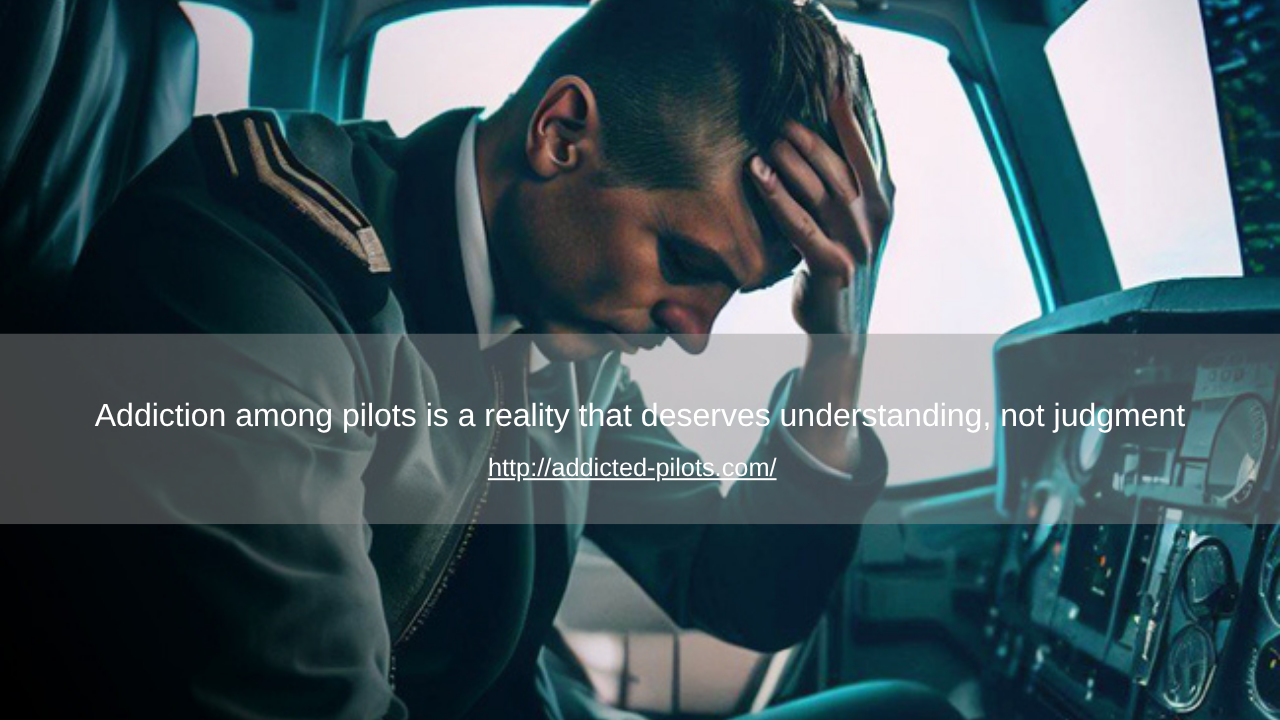
Addiction among pilots is a reality that deserves understanding, not judgment. The path to healing begins with compassionate care and professional guidance tailored to the unique challenges of aviation. At Addicted-Pilots.com, we provide the tools and support needed to help pilots overcome addiction and take back control of their lives. If you or someone you know is struggling, reach out today. A healthier, more grounded future is waiting for you.

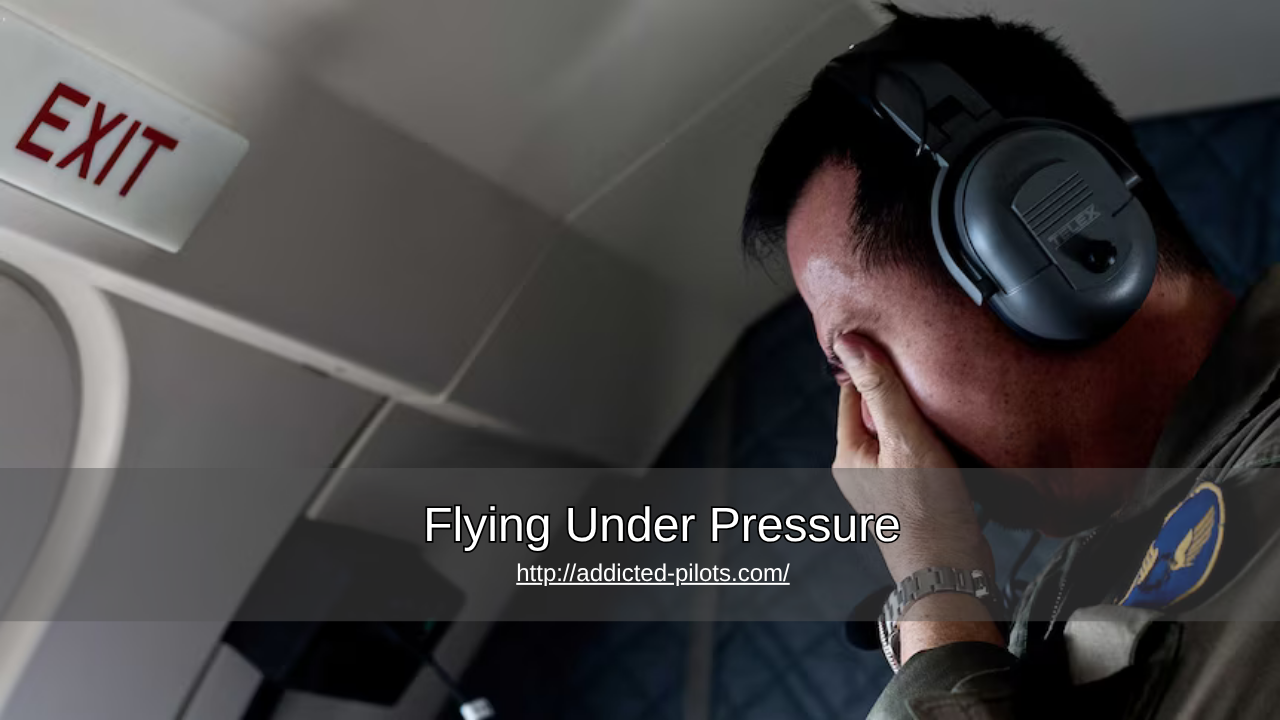
Flying Under Pressure: How Pilots Face Hidden Risks of Substance Abuse

The life of a pilot is demanding, high-pressure, and often misunderstood. While the public sees pilots as calm, in-control professionals guiding passengers safely through the skies, many face immense stress behind the scenes. Long hours, irregular schedules, and the weight of responsibility for lives can take a serious toll. For some pilots, these pressures can lead to the use of alcohol or drugs as a coping mechanism, creating hidden risks that affect both personal health and professional safety.

The Unique Stressors of the Aviation Industry

Pilots operate in a world where every decision has significant consequences. Factors contributing to stress in aviation include:

  • Long and irregular work hours that disrupt natural sleep cycles.
  • Time zone changes and jet lag that lead to chronic fatigue.
  • High stakes responsibility for passenger safety and operational performance.
  • Emotional strain from extended periods away from family and support systems.

Over time, these stressors can lead to burnout, anxiety, and depression. Many pilots feel unable to seek help due to the stigma surrounding mental health in the aviation industry, which can leave them vulnerable to unhealthy coping mechanisms.

How Stress Can Lead to Substance Use

Substance use among pilots often begins as a way to manage fatigue, stress, or anxiety. Alcohol may seem like a way to unwind after long shifts, while prescription medications such as sleep aids or stimulants may be used to maintain alertness or rest. Unfortunately, repeated use can lead to dependency, creating a cycle that is difficult to break without support.

Some common factors that contribute to substance use in aviation include:

  • Sleep deprivation: Pilots may rely on substances to improve rest or stay alert.
  • Isolation: Time away from loved ones can increase feelings of loneliness.
  • Performance pressure: The need to maintain perfection can lead to stress-induced coping mechanisms.
  • Undiagnosed mental health issues: Anxiety, depression, and burnout can go untreated, contributing to substance use.

The Dangers of Ignoring the Problem

Addiction in aviation carries risks that extend beyond personal health. Impaired judgment, delayed reaction times, and reduced focus can compromise flight safety. Additionally, addiction can damage relationships, erode career prospects, and lead to long-term health complications.

Addressing these risks early is critical. Proactive intervention not only protects pilots and passengers but also provides a pathway to healing and recovery.

Support and Recovery Options for Pilots

At [http://addicted-pilots.com/], we understand the unique challenges pilots face and offer comprehensive support tailored to their needs. Our services include:

  • Addiction recovery programs designed for aviation professionals.
  • Mental health treatment addressing co-occurring conditions such as anxiety, depression, and burnout.
  • Inpatient and outpatient care providing flexibility and confidentiality.
  • Holistic therapies including mindfulness, nutrition, and physical wellness to promote overall health.
  • Faith-based and individualized care plans that respect personal values and beliefs.

This client-centered approach ensures pilots receive the support they need to overcome addiction and develop healthier coping strategies for managing stress.

Taking the First Step Toward Recovery

Addiction does not define a pilot’s career or life. Seeking help is a courageous decision that opens the door to healing, resilience, and balance. Recovery empowers pilots to manage stress effectively, maintain professional performance, and protect personal well-being.

If you or someone you know in the aviation industry is struggling with substance use, contact [http://addicted-pilots.com/] today. Our compassionate team provides confidential support and personalized care to help aviation professionals navigate recovery and reclaim their lives.

Landing in Trouble: How Chronic Stress Pushes Pilots Toward Substance Abuse

The life of a pilot is often perceived as exciting, prestigious, and rewarding. However, behind the cockpit lies a world of intense responsibility, long hours, and constant pressure. Chronic stress is a common companion for aviation professionals, and when left unaddressed, it can push some pilots toward alcohol or drug use as a way to cope. Understanding the connection between stress and substance use is essential for prevention, intervention, and recovery.

The Pressures of the Pilot Profession

Pilots operate in a high-stakes environment where every decision impacts the safety of passengers and crew. The demands of the job include:

  • Irregular schedules and long flights that disrupt sleep patterns.
  • Time zone changes that exacerbate fatigue and jet lag.
  • Emotional stress from prolonged periods away from family and friends.
  • The constant expectation to perform flawlessly under pressure.

These stressors accumulate over time, leading to burnout, anxiety, and depression. For some pilots, substances may appear to offer a temporary escape or relief from the pressures they face daily.

How Stress Leads to Substance Use

Stress alone does not cause addiction, but it can be a significant contributing factor. Common ways stress influences substance use among pilots include:

  • Alcohol use: Drinking may seem like a way to unwind after a long flight or manage anxiety.
  • Prescription medications: Sleep aids, stimulants, or painkillers can become crutches when fatigue and physical discomfort persist.
  • Isolation and loneliness: Extended time away from loved ones may increase reliance on substances to fill emotional gaps.

Initially, these behaviors may seem manageable, but repeated use can quickly evolve into dependency, posing serious personal and professional risks.

The Dangers of Ignoring the Problem

Addiction in aviation has consequences that extend beyond individual health. Impaired judgment, slower reaction times, and decreased focus endanger the pilot, crew, and passengers. Additionally, addiction can harm relationships, derail careers, and lead to long-term health complications. Recognizing and addressing these risks is vital for both safety and recovery.

Comprehensive Support for Pilots

At [http://addicted-pilots.com/], we provide specialized programs for aviation professionals struggling with addiction. Our services include:

  • Confidential addiction recovery programs tailored to the unique needs of pilots.
  • Mental health treatment for stress, anxiety, depression, and burnout.
  • Inpatient and outpatient care to accommodate various recovery requirements.
  • Holistic approaches including mindfulness, nutrition, and fitness to strengthen overall resilience.
  • Faith-based and individualized plans to support personal values and recovery goals.

Our client-centered approach ensures that pilots receive compassionate care that addresses both addiction and the underlying stressors contributing to it.

Taking the First Step Toward Recovery

Addiction does not define a pilot’s career or life. Seeking help is a courageous and essential step toward reclaiming control and building a healthier future. Recovery empowers pilots to manage stress, restore balance, and maintain professional performance while protecting personal well-being.

If you or someone you know in the aviation industry is struggling with substance use, contact [http://addicted-pilots.com/] today. Our team is dedicated to helping aviation professionals navigate recovery with confidentiality, compassion, and personalized care. Your journey to healing and renewed strength begins now.

Cleared for Takeoff, but Not for Life: Addiction Risks in the Pilot Profession

Being a pilot is a demanding and high-responsibility profession. Each flight requires precision, focus, and the ability to make critical decisions under pressure. While the job is often admired for its prestige and skill, the realities of the pilot lifestyle can create hidden risks, including susceptibility to substance abuse. The pressures of the cockpit, combined with irregular schedules and emotional stress, make pilots particularly vulnerable to addiction.

The Pressures Facing Pilots

Pilots face unique stressors that can take a toll on their physical and mental health. Long hours, time zone changes, and frequent travel disrupt natural sleep patterns, leading to chronic fatigue. The constant responsibility of passenger safety adds another layer of emotional strain. Over time, these factors can contribute to burnout, anxiety, depression, and other mental health concerns.

Many pilots feel unable to seek help due to stigma or fear of career consequences. This silence allows stress and mental health struggles to accumulate, creating fertile ground for unhealthy coping mechanisms, including alcohol and drug use.

Understanding Addiction Risks in Aviation

Addiction among pilots can take many forms, from alcohol to prescription medications. Common contributing factors include:

  • Chronic fatigue and sleep disruption leading to reliance on stimulants or sedatives.
  • High levels of responsibility creating ongoing stress that may lead to alcohol use as a coping strategy.
  • Isolation from family and social support during extended trips.
  • Unaddressed mental health issues such as anxiety, depression, or trauma.

Even occasional substance use can escalate into dependency when underlying stressors are not addressed. Recognizing these risks is critical for prevention and early intervention.

The Dangers of Untreated Addiction

Substance abuse in aviation is not just a personal health concern. Impaired judgment, slower reaction times, and reduced focus can have serious consequences in the cockpit. Additionally, addiction can damage relationships, hinder career advancement, and create long-term health complications. Ignoring the problem does not make it disappear; it often worsens over time.

Pathways to Recovery

At [http://addicted-pilots.com/], we understand the unique pressures pilots face and offer specialized support for recovery. Our programs include:

  • Confidential addiction recovery services tailored to aviation professionals.
  • Mental health treatment addressing stress, anxiety, depression, and burnout.
  • Inpatient and outpatient care providing flexible, supportive options.
  • Holistic therapies including mindfulness, nutrition, and fitness to enhance overall well-being.
  • Faith-based and individualized approaches to support personal values and recovery goals.

Our client-centered approach helps pilots not only overcome addiction but also build sustainable coping strategies for the challenges of the profession.

Taking the First Step

Addiction does not have to define a pilot’s career or life. Seeking help is a courageous decision that opens the door to healing, renewed resilience, and a balanced life. If you or someone you know is struggling with substance use, reaching out today can make all the difference.

At [http://addicted-pilots.com/], we provide compassionate, confidential support tailored to the needs of aviation professionals. Begin your journey to recovery now and take control of your life both in and out of the cockpit.

When the Pressure Peaks: Understanding Drug and Alcohol Use in Aviation

The aviation industry is built on precision, discipline, and responsibility. Pilots and crew members are trusted with lives every time they step onto an aircraft, and the demand for flawless performance is constant. While this responsibility is essential for safety, it also creates intense pressure. For some, the combination of stress, fatigue, and isolation leads to an unhealthy reliance on drugs or alcohol. Understanding the reasons behind substance use in aviation is the first step toward addressing this issue with compassion and effective care.

The Unique Pressures of Aviation

Pilots and aviation professionals face challenges few outside the industry fully understand. Irregular work hours, overnight shifts, and international routes disrupt natural sleep patterns, leading to chronic fatigue. Add to this the emotional weight of being responsible for passengers’ lives and the strain of time away from family, and the risk of burnout becomes clear.

Unlike many professions, aviation leaves little room for error. Pilots are expected to perform at peak levels no matter the circumstances. This high-stakes environment can leave individuals feeling trapped, with little opportunity to acknowledge or address the toll it takes on their mental health.

Why Some Turn to Drugs and Alcohol

When pressure builds without relief, unhealthy coping strategies often emerge. Common reasons for substance use in aviation include:

  • Sleep struggles: Sedatives or stimulants may be used to regulate rest or alertness.
  • Stress relief: Alcohol can become a quick, though temporary, escape from daily pressures.
  • Untreated mental health concerns: Anxiety and depression often go unaddressed due to stigma.
  • Isolation: Extended time away from loved ones can lead to loneliness, fueling unhealthy habits.

What begins as occasional use can quickly turn into dependence, particularly in an industry where seeking help is often seen as risky to one’s career.

The Dangers of Ignoring Substance Use

Substance abuse among pilots and aviation professionals is not only a personal health issue but also a matter of public safety. Impaired focus, slower reaction times, and poor decision-making can endanger passengers, crew, and the pilot themselves. On a personal level, addiction erodes confidence, damages relationships, and harms long-term health.

Breaking the silence and addressing these struggles is vital. Pilots and aviation staff deserve access to support systems that prioritize both recovery and confidentiality.

Support and Recovery Options for Pilots

At http://addicted-pilots.com/, we provide specialized programs designed with the unique challenges of aviation in mind. Our services include:

  • Addiction recovery programs tailored to the needs of aviation professionals.
  • Mental health treatment to address the root causes of stress and dependency.
  • Inpatient and outpatient care options for flexibility and privacy.
  • Holistic therapies such as mindfulness, fitness, and nutrition to strengthen overall well-being.
  • Faith-based and individualized approaches to ensure treatment respects personal values and beliefs.

By combining evidence-based practices with compassionate care, we help pilots and aviation staff build healthier coping strategies and achieve lasting recovery.

Choosing Recovery Over Silence

Addiction does not have to be the end of a pilot’s career or well-being. With the right treatment, it is possible to find healing, restore balance, and regain strength. Seeking help is not a weakness but a courageous step toward a healthier future.

If you or someone you know in the aviation industry is struggling, reach out today. At http://addicted-pilots.com/, we are here to guide you through recovery with understanding, confidentiality, and compassion. The path to healing begins with one decision—choose to take that step now.