Behind the Controls: The Unseen Struggles of Pilots Battling Addiction

The life of a pilot is often associated with prestige, precision, and adventure. From the outside, it may look glamorous, but behind the controls, many aviation professionals face an invisible struggle. Addiction and substance use among pilots remain a rarely discussed issue, yet the reality is that the high stress, irregular schedules, and emotional toll of the job can create conditions where drugs or alcohol become a coping mechanism. Understanding these unseen struggles is vital to ensuring both personal well-being and flight safety.

The Hidden Pressures of Piloting

Pilots carry extraordinary responsibility. Each flight demands sharp focus, decision-making under pressure, and unwavering commitment to safety. On top of this, long hours, disrupted sleep cycles, and time away from loved ones contribute to chronic fatigue and emotional strain. The culture of perfection within aviation often discourages vulnerability, making it difficult for pilots to seek help when stress feels overwhelming.

Instead, many internalize their struggles. Alcohol or prescription drugs can begin to feel like a quick fix for stress, loneliness, or sleep issues. Over time, these habits can turn into dependency, leaving pilots battling addiction in silence.

Why Addiction Takes Hold

Several factors increase the risk of substance abuse among pilots:

  • Sleep disruption: Irregular flight schedules interfere with natural rest, leading some to use sedatives or stimulants.
  • Isolation: Long periods away from home and family can intensify feelings of loneliness.
  • Mental health challenges: Anxiety, depression, and burnout often go untreated due to fear of career repercussions.
  • High expectations: The pressure to always perform at peak levels can push pilots toward unhealthy coping mechanisms.

The combination of professional stress and personal sacrifice creates fertile ground for addiction to develop.

The Risks of Ignoring the Problem

Addiction is not just a personal health concern for pilots. It has direct implications for aviation safety. Impaired focus, delayed reaction times, and poor decision-making put both crew and passengers at risk. On a personal level, substance abuse erodes relationships, undermines confidence, and threatens long-term health.

Recognizing these dangers underscores the importance of breaking the silence around addiction in aviation and encouraging pilots to access proper care.

Pathways to Recovery for Pilots

At [http://addicted-pilots.com/], we specialize in helping aviation professionals confront and overcome addiction with compassion and confidentiality. Our programs are tailored to the unique needs of pilots and include:

  • Confidential addiction recovery services that respect privacy and career concerns.
  • Mental health treatment to address co-occurring conditions like stress, anxiety, and depression.
  • Inpatient and outpatient care options that provide flexibility for different recovery needs.
  • Holistic therapies such as mindfulness, fitness, and nutrition to restore balance and resilience.
  • Faith-based and individualized approaches to ensure care aligns with personal beliefs and values.

This client-centered approach allows pilots to heal in a supportive environment where their challenges are fully understood.

Moving Forward With Hope

Addiction may be part of a pilot’s story, but it does not have to define their future. With the right treatment, it is possible to recover, rebuild, and return to life with strength and clarity. Reaching out for help is not a sign of weakness, but an act of courage that opens the door to healing.

If you or someone you know is struggling, do not wait. At [http://addicted-pilots.com/], we are here to help aviation professionals find freedom from addiction and rediscover balance. Take the first step today and begin your journey toward recovery.
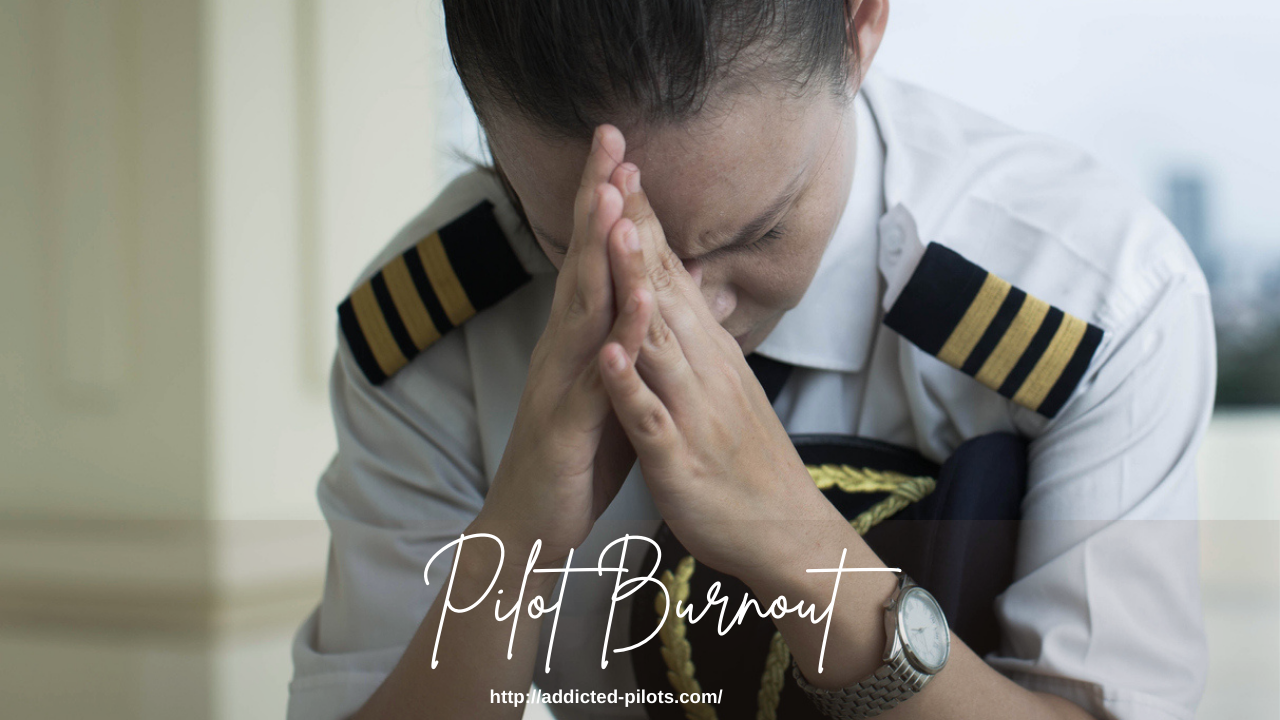
High-Flying Dangers: The Link Between Pilot Burnout and Addiction

The aviation industry demands precision, discipline, and mental endurance. Pilots carry immense responsibility each time they step into the cockpit, often navigating long hours, jet lag, and high-stress environments. While the profession is admired for its skill and prestige, there is a hidden side that too often goes unspoken. Burnout among pilots has become a serious concern, and in some cases, this exhaustion drives individuals toward alcohol or drug use as a means of coping.

Understanding Pilot Burnout

Burnout is more than simple fatigue. It is a state of physical, emotional, and mental exhaustion caused by chronic stress. For pilots, this stress can come from irregular schedules, long-haul flights, and the weight of responsibility for passenger safety. Add to this the strain of time away from family and the ongoing demand for alertness, and it is no surprise that pilots are at high risk for burnout.

When burnout is not addressed, it can manifest as irritability, difficulty concentrating, disrupted sleep, and feelings of detachment. Many pilots hesitate to seek help due to fear of stigma or career consequences, leaving them vulnerable to unhealthy coping mechanisms.

The Connection Between Burnout and Substance Use

Substance use often emerges as a quick fix for the overwhelming effects of burnout. Alcohol may seem like a way to unwind after long shifts, while prescription medications might be used to manage sleep or anxiety. Unfortunately, these temporary solutions can create dependency. What begins as an occasional habit to cope with exhaustion can grow into addiction.

Key reasons pilots may turn to substances include:

  • Chronic fatigue: Stimulants or alcohol are sometimes used to regulate energy and rest.
  • Unmanaged stress: Substances may provide short-term relief but worsen long-term well-being.
  • Isolation: Long periods away from loved ones can amplify loneliness and fuel unhealthy habits.
  • Stigma around mental health: Fear of professional repercussions often keeps pilots from accessing proper support.

The Risks of Ignoring the Problem

Substance abuse among pilots is not just a personal health matter. It has direct implications for safety in the skies. Impaired judgment, slower reaction times, and reduced mental clarity can endanger both crew and passengers. Beyond the professional risks, untreated addiction damages relationships, undermines health, and diminishes quality of life.

Addressing burnout and substance use together is vital for pilots to reclaim their balance and protect their futures.

Comprehensive Recovery for Pilots

At http://addicted-pilots.com/, we recognize the unique pressures pilots face. Our programs are designed with aviation professionals in mind, offering:

  • Confidential addiction recovery services tailored to individual needs.
  • Mental health treatment to address stress, anxiety, depression, and burnout.
  • Inpatient and outpatient care options for flexibility and privacy.
  • Holistic healing methods including mindfulness, fitness, and nutrition to restore balance.
  • Faith-based and individualized approaches to support recovery in alignment with personal values.

By combining clinical expertise with compassionate care, we help pilots replace unhealthy coping strategies with healthier, more sustainable ones.

Taking the First Step Toward Healing

Burnout and addiction do not need to define a pilot’s career or life. With the right support, it is possible to heal, recover, and regain control. Seeking help is a sign of strength, not weakness, and it opens the door to renewed resilience and well-being.

If you or someone you know in the aviation industry is struggling, reach out today. At http://addicted-pilots.com/, we are committed to guiding pilots through recovery with care, confidentiality, and compassion. Your path to healing and balance begins with a single step—let us help you take it.

Turbulence Within: How Pilots Cope with Stress Through Substance Use

Flying a commercial aircraft is one of the most demanding professions in the world. Pilots are responsible for hundreds of lives each time they take off, all while managing complex technical systems, unpredictable weather, and long hours away from home. While many handle this stress with resilience, others find themselves coping in unhealthy ways. For some pilots, alcohol or drugs become a means of relief, creating an invisible crisis in the aviation industry.

The High-Stakes World of Aviation Stress

Pilots face unique stressors that most people never encounter. Beyond the immense responsibility for passenger safety, they deal with irregular schedules that disrupt sleep, jet lag from constant travel, and isolation from time spent away from family. The expectation to remain calm and composed at all times can also make it difficult for pilots to express vulnerability or ask for help.

This intense pressure often pushes individuals to seek coping mechanisms. Unfortunately, substances like alcohol or prescription medications may seem like an immediate solution to relieve anxiety, combat fatigue, or quiet racing thoughts. Over time, what begins as occasional use can develop into dependency.

Why Pilots Turn to Substances

Several key factors explain why some pilots fall into the cycle of substance use:

  • Sleep deprivation: Long-haul flights and night schedules disrupt natural sleep, leading to reliance on sedatives or stimulants.
  • Chronic stress: The constant demand for precision and performance increases reliance on alcohol as a way to unwind.
  • Untreated mental health conditions: Anxiety, depression, and post-traumatic stress often go unaddressed due to stigma within the industry.
  • Physical pain: Injuries or chronic conditions may lead to dependence on prescription painkillers.

The silence surrounding these struggles only intensifies the problem. Many pilots avoid seeking help for fear of damaging their careers, leaving them trapped in a cycle of stress and substance use.

The Dangers of Unaddressed Addiction

Substance abuse in aviation is not only a personal health issue. It directly impacts flight safety and professional performance. Impaired judgment, slowed reaction times, and compromised decision-making can endanger lives. On a personal level, addiction damages health, relationships, and overall quality of life.

Recognizing the risks and addressing them early is essential. A compassionate, structured approach to recovery gives pilots the tools they need to reclaim their lives and careers.

Holistic Healing for Pilots

At [http://addicted-pilots.com/], we understand the unique pressures aviation professionals face. Our treatment programs are designed with these challenges in mind, offering:

  • Personalized addiction recovery services that respect confidentiality.
  • Mental health treatment to address underlying conditions fueling substance use.
  • Inpatient and outpatient care for flexibility and support at every stage.
  • Holistic approaches like mindfulness, nutrition, and fitness to strengthen resilience.
  • Faith-based and individualized care that honors personal values and beliefs.

Our client-centered approach ensures that pilots and aviation staff receive the support they need to achieve lasting recovery and build healthier coping strategies.

Charting a Path Toward Recovery

Addiction does not define a pilot’s future. With the right support and treatment, it is possible to break free from dependency and restore balance both personally and professionally. If you or someone you know in the aviation industry is struggling, now is the time to take the first step.

At [http://addicted-pilots.com/], we are here to help pilots navigate the turbulence within and find a path to healing. Reach out today and begin your journey toward recovery and renewed strength.

Sky-High Stress: The Aviation Industry’s Quiet Addiction Problem

Pilots are often seen as calm, collected professionals who guide passengers safely through the skies. But behind the polished uniforms and steady voices, many aviation professionals face overwhelming stress that is rarely spoken about. Long hours, disrupted sleep patterns, and the enormous responsibility of hundreds of lives can take a toll. For some, the pressure becomes so great that they turn to alcohol or drugs as a way to cope. What begins as an occasional crutch can quickly escalate into dependency, creating an addiction crisis that often goes unnoticed within the aviation industry.

The Hidden Pressures of Aviation

The aviation industry demands precision and resilience. Pilots and crew members often work irregular schedules that disrupt natural sleep cycles. Time away from family can lead to feelings of isolation, while constant performance expectations add emotional strain. This combination of stressors increases vulnerability to substance use, especially when healthy coping mechanisms are not accessible.

The stigma surrounding addiction in aviation makes the problem even more challenging. Many pilots fear that seeking help will end their careers, so they remain silent, allowing dependency to worsen. Without proper support, the cycle of stress and substance use continues unchecked.

Why Substance Abuse Happens in the Skies

There is no single reason why addiction takes hold among pilots, but several common factors contribute:

  • Fatigue and sleep deprivation that lead to reliance on stimulants or sedatives.
  • Chronic stress and high responsibility that push individuals toward alcohol as a temporary escape.
  • Mental health struggles such as anxiety and depression that go untreated due to stigma.
  • Physical pain or medical issues that can create dependence on prescription medications.

Understanding these root causes is key to building pathways to recovery.

The Risks of Ignoring the Problem

Substance abuse in aviation is not only a personal struggle. It has direct consequences for safety, performance, and well-being. Impaired judgment, slowed reaction times, and poor decision-making can compromise flight operations. Beyond professional risks, addiction erodes physical health, damages relationships, and robs individuals of peace of mind.

Ignoring the issue does not make it disappear. Proactive treatment and compassionate care are essential for helping pilots and crew members break free from addiction and reclaim control over their lives.

A Holistic Path to Recovery for Pilots

At addicted-pilots.com we understand the unique challenges aviation professionals face. That is why our recovery programs are designed with pilots in mind. Our services include:

  • Addiction recovery treatment tailored to aviation careers.
  • Comprehensive mental health support for co-occurring conditions like anxiety and depression.
  • Inpatient and outpatient programs that provide flexibility and confidentiality.
  • Holistic therapies including mindfulness, fitness, and nutrition to strengthen overall well-being.
  • Faith-based and personalized care plans that honor individual values and needs.

Our compassionate, client-centered approach helps pilots and aviation staff not only overcome addiction but also rebuild resilience and restore balance.

Taking the First Step Toward Healing

If you or someone you know in the aviation industry is struggling with substance use, know that recovery is possible. Reaching out for help is not a career-ending decision. It is a life-saving choice that opens the door to healing, strength, and renewed purpose.

At addicted-pilots.com, we are here to walk with you on the journey from dependency to recovery. Your story does not end with addiction. With the right care and support, you can chart a new course toward health and freedom.

From the Flight Deck to Dependency: Why Some Pilots Turn to Drugs and Alcohol

Flying a commercial aircraft demands precision, discipline, and constant vigilance. Every decision matters, and every action carries the weight of passenger safety. While the world often sees pilots as calm professionals who thrive under pressure, many live with hidden challenges. Behind the confident voice in the cockpit, some pilots battle overwhelming stress, fatigue, and isolation. For too many, this pressure leads to unhealthy coping mechanisms, including drug and alcohol use.

The Hidden Pressures of a Pilot’s Life

Pilots face unique and intense stressors. Long and irregular work hours, frequent time zone changes, and extended periods away from family can take a toll on both mental and physical health. Chronic fatigue, disrupted sleep cycles, and feelings of isolation are common. On top of this, pilots carry the constant responsibility of ensuring the lives of hundreds of passengers with every flight.

For some, the combination of these pressures becomes overwhelming. Alcohol or prescription medications may start as a way to manage stress, calm anxiety, or simply get enough sleep. Over time, however, these coping tools can turn into dependence, creating a dangerous cycle that impacts both personal well-being and professional safety.

The Risks of Substance Abuse in Aviation

Substance abuse is not just a personal health concern for pilots. It has serious implications for flight safety. Impaired reaction times, clouded judgment, and reduced cognitive performance can all compromise the ability to operate an aircraft safely. Beyond safety concerns, addiction can result in loss of certification, career setbacks, strained relationships, and long-term health issues.

Fear of losing their job often prevents pilots from seeking help early. This can allow substance use to escalate until it reaches a crisis point. Addressing these issues proactively, with confidentiality and compassion, is critical to both recovery and preserving careers.

Understanding the Root Causes

While each pilot’s story is unique, common triggers for substance use include:

  • Chronic fatigue and irregular sleep patterns
  • High performance expectations and fear of failure
  • Emotional stress from time away from home
  • Anxiety and depression linked to job demands
  • Physical pain or medical conditions requiring medication

Identifying these root causes is essential to creating an effective recovery plan that addresses not just the addiction but also the underlying stressors.

Support and Recovery Tailored for Pilots

At addicted-pilots, we provide specialized addiction recovery services designed to meet the needs of aviation professionals. Our approach includes:

  • Comprehensive mental health treatment for co-occurring disorders
  • Inpatient and outpatient care that accommodates flight schedules and career requirements
  • Holistic therapies such as mindfulness, nutrition, and fitness to promote overall wellness
  • Faith-based and individualized care plans that honor each pilot’s values and personal journey

We understand that recovery for pilots involves more than sobriety. It means restoring confidence, rebuilding trust, and finding balance both in and out of the cockpit.

Taking the First Step

If you are a pilot struggling with substance use, know that you are not alone. The pressures you face are real, but so is the possibility of recovery. Seeking help is not a sign of weakness. It is a courageous step toward protecting your health, your career, and the safety of those who depend on you.

Contact addicted-pilots today to learn how we can help you navigate your way back to wellness. Your journey does not end here. With the right support, you can take off toward a healthier, more balanced life.

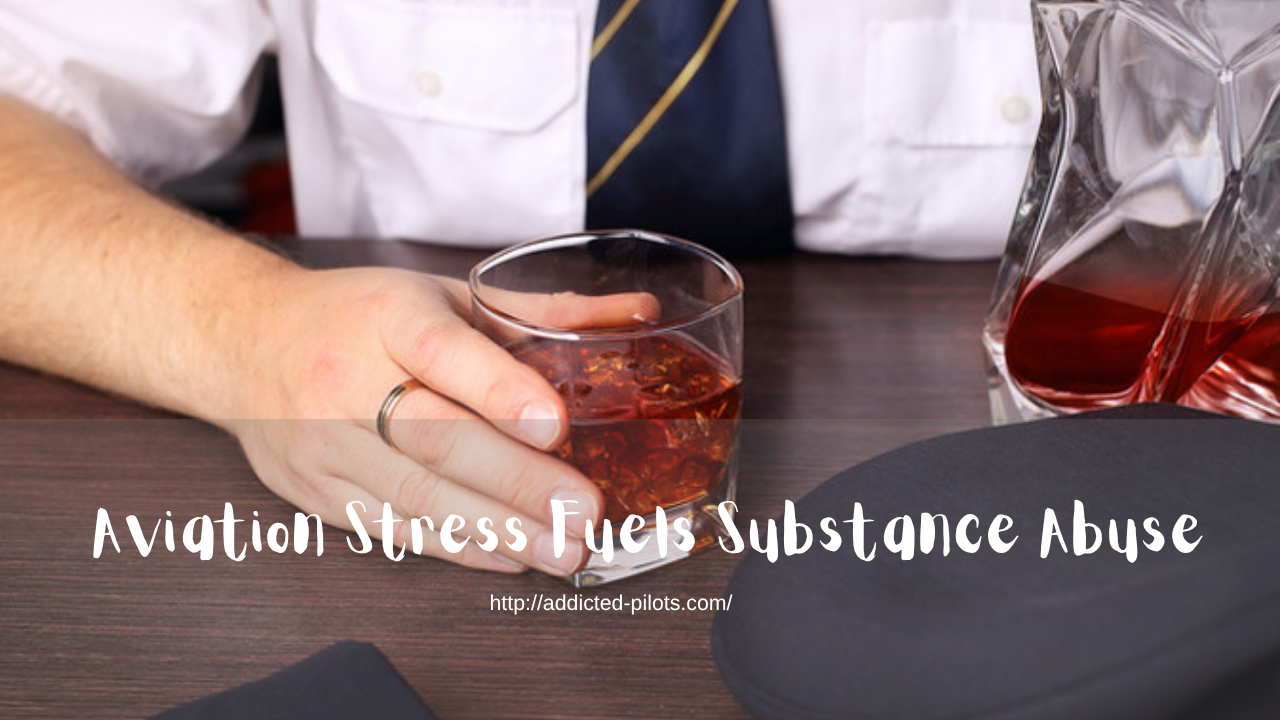
Under Pressure: How Aviation Stress Fuels Substance Abuse

Aviation is a career built on discipline, precision, and focus. Pilots are trained to stay calm under extreme conditions, make life-altering decisions in seconds, and carry the immense responsibility of passenger safety. But behind the scenes, many pilots silently carry a different kind of burden. The chronic stress of aviation can lead even the most seasoned professionals down a dangerous path of substance use and addiction. This issue is real, and it is more common than many realize.

The Silent Strain of Flying

Pilots endure intense schedules, long hours, erratic sleep patterns, and extended time away from home. Jet lag, fatigue, and isolation are routine. Add to this the psychological weight of knowing that even a single mistake could have catastrophic consequences, and it becomes clear why some pilots turn to drugs or alcohol as a means of coping.

Alcohol, prescription medications, and stimulants often become a temporary escape. For some, the descent into substance use begins with a drink to ease anxiety after a flight. For others, it may involve sleep aids or painkillers prescribed for chronic issues. Over time, these coping tools can evolve into dependency, threatening both professional and personal well-being.

The High Cost of High Stress

Substance abuse in the aviation world doesn’t just endanger the pilot’s health. It puts entire flight crews and passengers at risk. Impaired judgment, slowed reaction times, and poor decision-making compromise safety in the skies.

Professionally, addiction can lead to revoked licenses, job loss, legal consequences, and irreparable damage to a pilot’s career. But beyond that, it can fracture families, isolate individuals from support networks, and deteriorate mental health.

Fear of punishment or career destruction often prevents pilots from seeking help. Many continue to suffer in silence, believing that asking for support is a sign of weakness. In reality, recognizing the need for treatment is the first courageous step toward recovery.

Treatment Tailored to Pilots

At addicted-pilots, we understand the unique pressures pilots face. Our programs are designed to provide addiction recovery services that respect your career, your dignity, and your life. We offer:

  • Comprehensive mental health treatment focused on anxiety, depression, PTSD, and co-occurring disorders
  • Inpatient and outpatient care tailored to your schedule and professional needs
  • Holistic therapies including nutrition, mindfulness, fitness, and trauma-informed practices
  • Faith-based and individualized approaches that empower your personal journey to healing

Whether you’re struggling with alcohol, prescription medication, or other substances, our compassionate team is here to help you reclaim control and rebuild with strength and confidence.

Moving Toward Recovery

You are not alone, and your story does not end here. The weight of aviation stress is real, but so is the possibility of healing. Addiction is not a moral failing. It is a condition that requires understanding, support, and a personalized path forward.

Recovery is possible. With the right treatment, many pilots not only return to the skies but also find greater peace, balance, and resilience than ever before.

Reach Out Today

If you’re a pilot under pressure and feeling the toll of substance use, don’t wait. Reach out to addicted-pilots and take the first step toward recovery. You deserve support that understands your journey, respects your profession, and empowers your healing. Let us help you chart a new course.

High Altitudes, Higher Risks: The Hidden Addiction Crisis Among Pilots

The aviation industry is synonymous with safety, precision, and trust. Every time passengers board a plane, they entrust their lives to highly trained professionals in the cockpit. However, behind the scenes, some pilots are quietly battling a hidden crisis: addiction. Despite their reputation for discipline and control, a small but significant number of pilots struggle with substance abuse, risking their careers, health, and the safety of those on board.

The Pressure of High-Stakes Performance

Pilots operate in a high-stakes environment where the margin for error is virtually nonexistent. Long flights, disrupted sleep patterns, time zone changes, and long stretches away from loved ones take a toll on mental and physical health. Pilots are expected to remain calm, focused, and in control under all circumstances. Yet the pressure to perform perfectly can lead to chronic stress, anxiety, and emotional exhaustion.

In this context, some pilots turn to alcohol, prescription medications, or other substances as a way to cope. What may begin as occasional use to unwind or manage stress can gradually spiral into dependency, creating a dangerous cycle that is difficult to break.

The Reality of Substance Abuse in Aviation

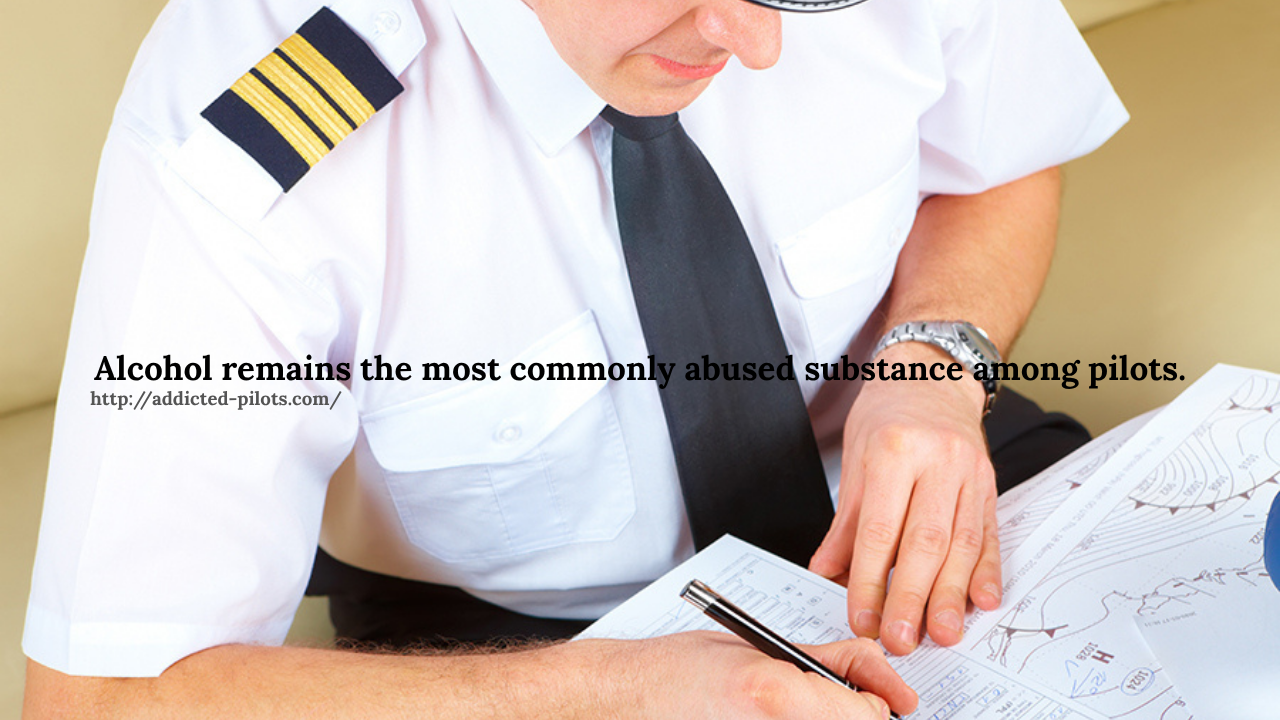
Alcohol remains the most commonly abused substance among pilots. Although aviation authorities like the Federal Aviation Administration (FAA) enforce strict regulations, including the “eight hours from bottle to throttle” rule, incidents of alcohol-related violations still occur. Some pilots attempt to mask their struggles, hoping to avoid detection during random testing or routine medical examinations.

Prescription medications are another area of concern. Pilots dealing with chronic pain, anxiety, or sleep disorders may be prescribed medications that, when misused, lead to addiction. Stimulants, sedatives, and opioids can all have serious side effects that impair a pilot’s ability to function safely.

The Risks to Safety and Careers

Substance abuse in aviation poses life-threatening risks. Impaired judgment, slower reaction times, and diminished cognitive abilities can lead to disastrous outcomes. Even when pilots are not actively under the influence during a flight, the lingering effects of substance use, such as hangovers or withdrawal symptoms, can compromise safety.

Additionally, pilots caught using prohibited substances face severe consequences, including loss of certification, legal penalties, and the end of their careers. Yet, the fear of these repercussions often prevents pilots from seeking the help they need.

A Path Toward Recovery

Fortunately, the aviation industry has programs in place to help pilots recover from addiction. The Human Intervention Motivation Study (HIMS) is a proven program that allows pilots to receive treatment and, in many cases, return to flying after recovery. HIMS combines medical care, psychological support, and ongoing monitoring to ensure that pilots are fit to resume their duties safely.

Breaking the Silence

To address the hidden addiction crisis among pilots, the industry must foster a culture of openness and support. Reducing the stigma surrounding mental health and addiction will encourage more pilots to seek help early. Through education, confidential support programs, and a commitment to recovery, the aviation community can help pilots navigate the risks of high altitudes—and return safely to the skies.

Turbulence Ahead: The Importance of Addiction Treatment for Pilots

In aviation, safety is paramount. Every takeoff and landing relies on the physical and mental sharpness of pilots. They are expected to make split-second decisions, manage stress, and maintain focus under pressure. But what happens when the very individuals we trust with our lives are battling addiction? The need for accessible and effective addiction treatment for pilots has never been more critical.

The Pressure of the Profession

Pilots operate in a uniquely high-stress environment. From long hours and erratic schedules to extended time away from home and intense responsibility, the mental and emotional toll can be substantial. The constant expectation of flawless performance often leaves little room for vulnerability, leading some pilots to suppress their struggles.

In these conditions, alcohol, prescription medications, and even illicit drugs can become a way to cope with stress, anxiety, insomnia, or physical pain. What might start as occasional use can quickly spiral into dependency, endangering not only the pilot’s health and career but also the safety of passengers and crew.

The Risks of Untreated Addiction

Substance abuse impairs judgment, slows reaction times, and affects coordination—traits essential to safe flight operations. A pilot flying under the influence or even suffering the residual effects of substance use is a serious risk. Although regulations by authorities like the Federal Aviation Administration (FAA) mandate regular drug and alcohol testing, some cases remain undetected until a crisis occurs.

Moreover, untreated addiction often leads to deteriorating mental health, broken relationships, and professional consequences such as suspension or revocation of licenses. The longer addiction goes unaddressed, the more severe these outcomes become.

The Path to Treatment and Recovery

Fortunately, addiction does not have to end a pilot’s career. The Human Intervention Motivation Study (HIMS) is a widely respected program designed specifically to support pilots dealing with substance abuse. HIMS combines medical treatment, peer support, psychological counseling, and close monitoring, offering a structured pathway to recovery and eventual return to duty.

Pilots in the HIMS program undergo comprehensive evaluation and, if deemed fit for duty post-treatment, can resume their flying responsibilities under continued supervision. This not only helps the individual recover but also reassures employers and passengers of the pilot’s fitness to fly.

Reducing Stigma, Encouraging Help

One of the biggest barriers to treatment is stigma. Many pilots fear that admitting to addiction will lead to career ruin. This fear prevents early intervention and drives substance use underground. To combat this, the aviation industry must foster a culture of openness and support.

Education, access to confidential resources, and peer-driven initiatives are vital. When pilots see that recovery is possible and supported, they are more likely to seek help before a crisis occurs.

Conclusion

Addiction is a treatable condition, and pilots are not immune. Addressing it early through effective treatment programs like HIMS can save lives, restore careers, and reinforce the aviation industry’s commitment to safety. In facing the turbulence of addiction head-on, the industry can help pilots chart a course toward healing—and ensure that they return to the skies stronger than ever.

Help for High Flyers: How Pilots Can Overcome Addiction

Aviation professionals are often seen as symbols of precision, discipline, and responsibility. Pilots, in particular, carry enormous trust on their shoulders every time they step into the cockpit. Yet, behind the polished uniforms and confident demeanor, some pilots silently struggle with substance abuse and addiction. The good news is that help is available, and recovery is possible—with the right support and approach.

Understanding the Challenge

Pilots work in one of the most demanding professions. Long hours, irregular sleep patterns, time zone changes, and the pressure of ensuring passenger safety can contribute to high levels of stress and fatigue. In such conditions, some may turn to alcohol, prescription medications, or other substances as a means of coping. What starts as occasional use can develop into dependency, putting careers, lives, and personal well-being at risk.

Fear of stigma, job loss, or being grounded often prevents pilots from seeking the help they need. This secrecy can worsen the problem, as untreated addiction can lead to serious safety risks and personal consequences.

Pathways to Recovery

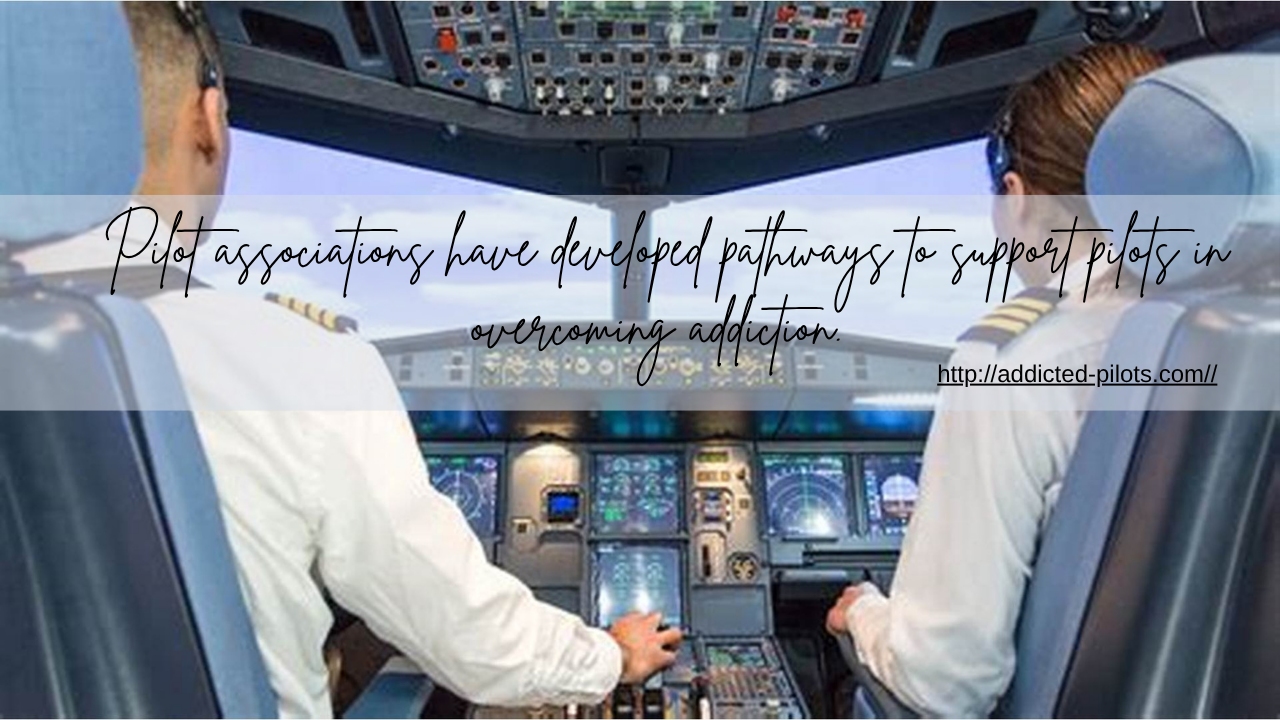
Thankfully, the aviation industry, medical professionals, and pilot associations have developed pathways to support pilots in overcoming addiction. One of the most effective programs is the Human Intervention Motivation Study (HIMS). HIMS provides pilots with access to confidential treatment, ongoing monitoring, and a structured return-to-duty process once recovery milestones are met.

Pilots enrolled in HIMS typically undergo a combination of medical evaluations, counseling, peer support, and substance testing. The program emphasizes accountability while offering a compassionate path toward regaining medical certification and resuming flying duties.

The Role of Support Systems

Recovery from addiction is not a solo journey. Family members, colleagues, aviation medical examiners, and peer mentors all play crucial roles. Many airlines and unions have peer assistance programs that connect pilots with others who have successfully navigated the path to recovery. This peer connection can provide encouragement, practical advice, and hope.

Counseling and mental health services also form a key part of recovery. Addressing underlying issues such as anxiety, depression, or trauma helps pilots build healthier coping strategies and reduces the risk of relapse.

A Culture of Openness

Creating an aviation culture that supports mental health and recovery is vital. When pilots feel safe to speak up about their struggles without immediate fear of punishment, they are more likely to seek help early. Confidential resources, educational initiatives, and leadership that models empathy and understanding can foster such a culture.

Conclusion

Addiction does not have to mean the end of a pilot’s career. With early intervention, effective programs like HIMS, and strong support networks, pilots can overcome substance abuse and return to the skies stronger and healthier. The key is breaking the silence, reducing stigma, and offering clear pathways to recovery—ensuring that high flyers get the help they need to soar again.

Flying Under the Influence: The FAA’s Battle Against Pilot Substance Abuse

Flying an aircraft is a responsibility that demands peak physical and mental performance. Passengers trust pilots to be clear-headed, focused, and capable of making critical decisions under pressure. Yet, despite strict regulations and safety protocols, substance abuse among pilots continues to be a significant concern. The Federal Aviation Administration (FAA) has been on the front lines of addressing this issue, working to protect the integrity of the aviation system and ensure public safety.

The Scope of the Problem

While most pilots uphold the highest standards of professionalism, a small percentage struggle with substance abuse involving alcohol, prescription medications, or illegal drugs. Even one impaired pilot can pose a catastrophic risk. Incidents involving intoxicated pilots are rare but not unheard of, drawing public attention and raising questions about the effectiveness of oversight and prevention efforts.

Alcohol is the most common substance involved in pilot-related incidents. Despite the FAA’s “eight hours from bottle to throttle” rule and a legal blood alcohol concentration limit of 0.04%, some pilots have been caught attempting to operate aircraft while under the influence. These cases, while few, highlight the importance of vigilant enforcement and education.

FAA Regulations and Testing

The FAA enforces stringent regulations to prevent substance abuse in aviation. Random drug and alcohol testing is mandatory for commercial pilots, air traffic controllers, and other safety-sensitive personnel. In addition to pre-employment and random testing, there are also post-accident, reasonable suspicion, and return-to-duty tests.

These tests screen for a range of substances, including marijuana, cocaine, amphetamines, opiates, and phencyclidine (PCP), as well as blood alcohol levels. The FAA partners with the Department of Transportation (DOT) to maintain a comprehensive drug and alcohol testing program, with severe penalties for violations.

The Role of HIMS

One of the FAA’s most effective tools in the fight against pilot substance abuse is the Human Intervention Motivation Study (HIMS) program. Developed in collaboration with airlines, medical professionals, and pilot unions, HIMS provides a path to recovery for pilots dealing with addiction.

Under HIMS, pilots are given access to confidential treatment programs, psychological support, and close medical monitoring. After completing rehabilitation and receiving clearance from a medical examiner, many pilots can return to work under strict oversight. The success of the HIMS program demonstrates that addiction can be treated effectively without permanently ending a pilot’s career.

Balancing Safety and Compassion

The FAA’s approach to substance abuse balances strict enforcement with compassion. While the primary goal is to ensure public safety, there is also recognition that addiction is a disease, not a moral failing. Encouraging pilots to come forward without fear of automatic dismissal is key to early intervention and long-term recovery.

Moving Forward

To further combat substance abuse in aviation, the FAA continues to invest in research, education, and public awareness. Promoting mental health, reducing stigma, and strengthening support systems are essential components of a comprehensive strategy.

Ultimately, the FAA’s battle against pilot substance abuse is about more than just catching violators—it’s about creating a culture of safety, accountability, and care. Through continued vigilance and compassion, the agency aims to ensure that every flight is operated by professionals who are truly fit to fly.